.jpg)
Centre for Finance and Economics Research (CFER)
Centre for Finance and Economics Research (CFER)
The Centre for Finance and Economics Research (CFER) at Great Lakes Institute of Management serves as a hub for advancing rigorous, policy-relevant scholarship in finance, economics, and public policy. Through sustained engagement with academic institutions, industry stakeholders, and regulatory authorities, the Centre fosters evidence-based research, generates data-driven insights, and contributes to informed policy discourse.
CFER is committed to developing a vibrant research ecosystem that encompasses faculty-led inquiry, student research initiatives, and interdisciplinary collaborations to strengthen responsible and sustainable financial and economic decision-making.
Upcoming: 10th Rutgers-ATP India Accounting & Finance SymposiumResearch
Research at the Centre for Finance and Economics Research focuses on ideas that matter beyond journals and classrooms. Our work spans finance, economics, and public policy, bringing together rigorous analysis and real-world relevance. Faculty and associates engage with industry, regulators, and institutions to examine how markets function, how policies shape outcomes, and how financial decisions affect society at large. The Centre also supports collaborative and student-driven research that contributes to responsible, informed, and sustainable decision-making.
Research
Research at the Centre for Finance and Economics Research focuses on ideas that matter beyond journals and classrooms. Our work spans finance, economics, and public policy, bringing together rigorous analysis and real-world relevance. Faculty and associates engage with industry, regulators, and institutions to examine how markets function, how policies shape outcomes, and how financial decisions affect society at large. The Centre also supports collaborative and student-driven research that contributes to responsible, informed, and sustainable decision-making.
Media
Publications by The Centre Associates covers economics, public policy, labour markets, gender and employment, financial systems, sustainability, and institutional reform. Grounded in empirical research and policy analysis, these articles examine issues such as workforce participation, regional growth disparities, employment dynamics, household behaviour during economic shocks, and long-term structural transitions in the Indian economy. Published across leading national and international platforms, the work contributes to evidence-based public discourse and policy thinking.
Media
Publications by The Centre Associates covers economics, public policy, labour markets, gender and employment, financial systems, sustainability, and institutional reform. Grounded in empirical research and policy analysis, these articles examine issues such as workforce participation, regional growth disparities, employment dynamics, household behaviour during economic shocks, and long-term structural transitions in the Indian economy. Published across leading national and international platforms, the work contributes to evidence-based public discourse and policy thinking.
What Shapes Us
Welcome to What Shapes Us, a podcast produced by the Great Lakes Institute of Management and hosted by economist and author Vidya Mahambare, Union Bank Chair Professor at Great Lakes.
Vidya explores the five forces that define our trajectories: Endowment, Environment, Education, Effort, and Equality of Opportunity, a framework she first articulated in a 2010 op-ed in Mint.
She speaks with thinkers, practitioners, policymakers, and everyday changemakers to uncover how these five Es intersect in real lives, decisions, and their careers.
Every conversation moves beyond surface narratives, inviting guests to reflect on what shaped them, what holds us back, and what propels individuals and societies forward.
Events
Over the years, the Centre has hosted a series of high-impact finance conferences that bring together policymakers, market practitioners, academics, and industry leaders to engage with some of the most critical questions shaping India’s economic and financial landscape. These conferences have covered themes ranging from India’s secular growth story, central banking and macroeconomic stability, wealth creation and personal finance, ESG and sustainable finance, to auction theory and public policy design. Each event is anchored in rigorous thinking and real- world relevance, creating a space where theory meets practice, policy meets markets, and long-term perspectives take precedence over short- term noise. Together, these forums reflect the Centre’s commitment to informed debate, practitioner-led insight, and evidence-based discourse on finance and the Indian economy.
Upcoming Conference: Women @ Work - White Paper Launch, | March 06th 2026
Events
Over the years, the Centre has hosted a series of high-impact finance conferences that bring together policymakers, market practitioners, academics, and industry leaders to engage with some of the most critical questions shaping India’s economic and financial landscape. These conferences have covered themes ranging from India’s secular growth story, central banking and macroeconomic stability, wealth creation and personal finance, ESG and sustainable finance, to auction theory and public policy design. Each event is anchored in rigorous thinking and real- world relevance, creating a space where theory meets practice, policy meets markets, and long-term perspectives take precedence over short- term noise. Together, these forums reflect the Centre’s commitment to informed debate, practitioner-led insight, and evidence-based discourse on finance and the Indian economy.
Events
Over the years, the Centre has hosted a series of high-impact finance conferences that bring together policymakers, market practitioners, academics, and industry leaders to engage with some of the most critical questions shaping India’s economic and financial landscape. These conferences have covered themes ranging from India’s secular growth story, central banking and macroeconomic stability, wealth creation and personal finance, ESG and sustainable finance, to auction theory and public policy design. Each event is anchored in rigorous thinking and real- world relevance, creating a space where theory meets practice, policy meets markets, and long-term perspectives take precedence over short- term noise. Together, these forums reflect the Centre’s commitment to informed debate, practitioner-led insight, and evidence-based discourse on finance and the Indian economy.
Events
Over the years, the Centre has hosted a series of high-impact finance conferences that bring together policymakers, market practitioners, academics, and industry leaders to engage with some of the most critical questions shaping India’s economic and financial landscape. These conferences have covered themes ranging from India’s secular growth story, central banking and macroeconomic stability, wealth creation and personal finance, ESG and sustainable finance, to auction theory and public policy design. Each event is anchored in rigorous thinking and real- world relevance, creating a space where theory meets practice, policy meets markets, and long-term perspectives take precedence over short- term noise. Together, these forums reflect the Centre’s commitment to informed debate, practitioner-led insight, and evidence-based discourse on finance and the Indian economy.
About the Expert Connect Series
The Expert Connect Series is a knowledge-sharing initiative designed to bring together industry experts and professionals to share their insights, experiences, and best practices. Through engaging talks, interactive discussions, and real-world case studies, the series provides participants with valuable opportunities to learn from subject matter experts, stay informed about emerging trends, and gain practical knowledge that can be applied in their professional journey.
Contact Us
For research collaborations, academic engagement, events, or general enquiries related to the Centre for Finance and Economics Research, please reach out to us. We welcome conversations with scholars, practitioners, institutions, and students who are interested in advancing research and dialogue in finance, economics, and public policy.
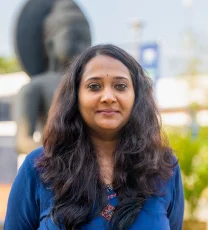
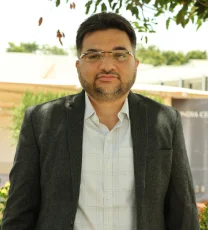
Dr. Chandrika Raghavendra
Associate Professor - Economics & International Business
Email: chandrika.r@greatlakes.edu.in
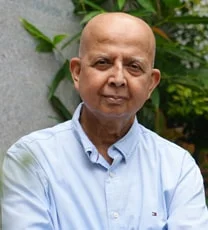

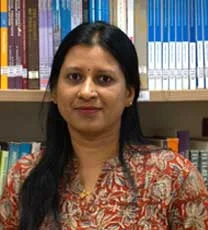
Deepa M
Junior Faculty - Finance
Email: deepa.m@greatlakes.edu.in

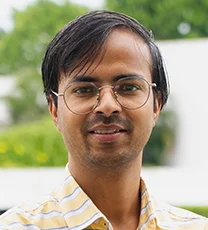
Dr. Hajam Abid Bashir
Assistant Professor- Research
Email: abid.b@greatlakes.edu.in
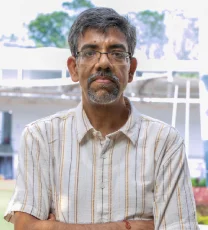
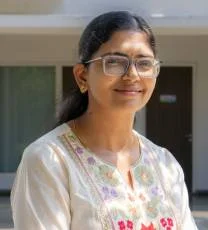


Dr. Ranjitha Ajay
Associate Professor – Finance
Area Chair: Finance & Economics
Email: ranjitha.a@greatlakes.edu.in
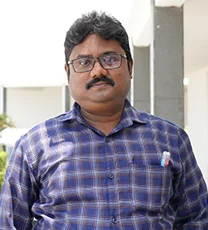

Swetha Shree
Junior Faculty - Economics
Email: swetha.r@greatlakes.edu.in

Pragati Sharma
Junior Faculty - Economics
Email: pragati.j@greatlakes.edu.in
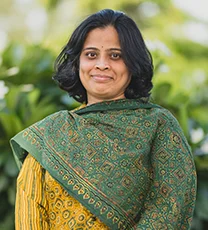
Dr. Vidya Mahambare
Chairperson and Union Bank Chair Professor of Economics
Email: vidya.m@greatlakes.edu.in
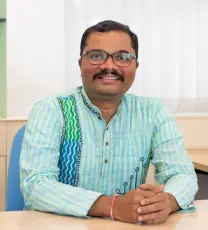

No Content for this page - should hide until we have something.
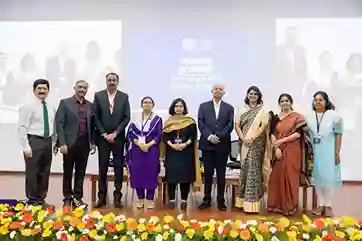
Women @ Work: Unlocking India’s Women Dividend
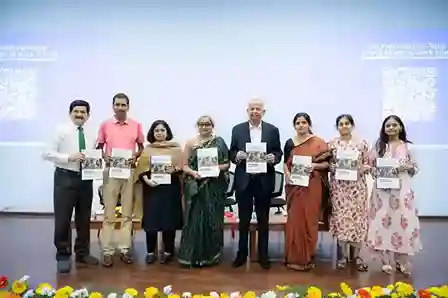
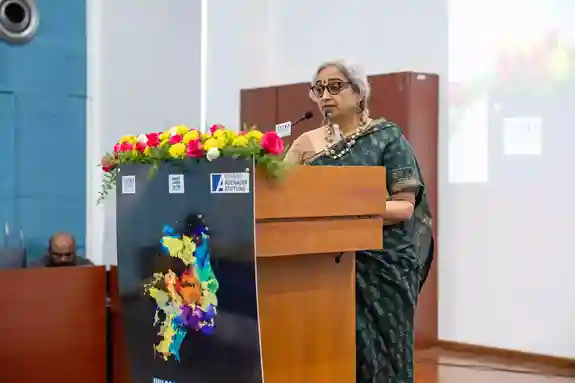
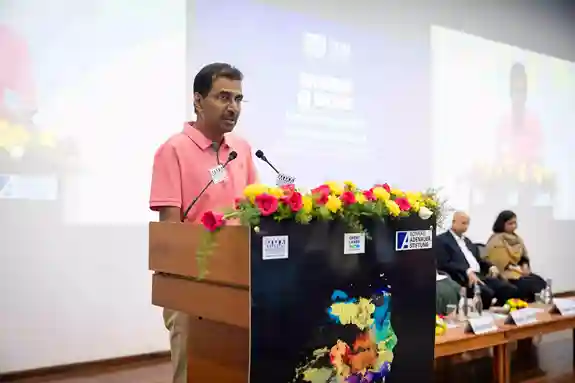
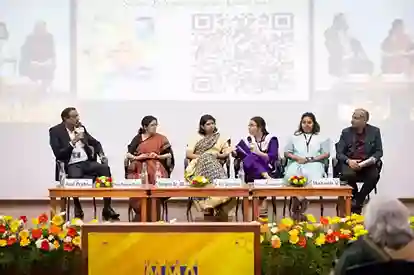
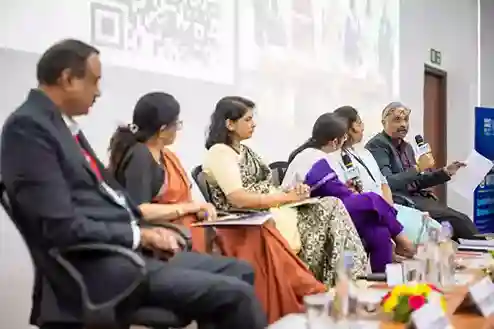
The CFER and the Madras Management Association came together on 6 March 2026 to launch two CFER white papers on young adult employment in India and the role of safe housing for women in raising women's employment in urban India. The event brought together policymakers, industry leaders, academics, and civil society representatives to examine how targeted investments in safe housing and skilling can unlock India's women's workforce dividend
To watch the entire launch, click here
To download the paper: Young Adults at Work in India, click here
To download the paper: Unlocking Women’s Employment Through Safe Housing – Lessons from Tamil Nadu’s Thozhi Hostels, click here
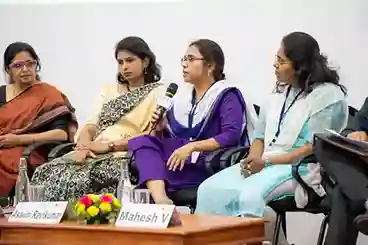
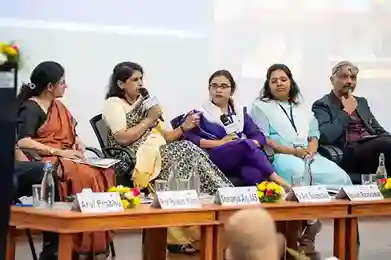
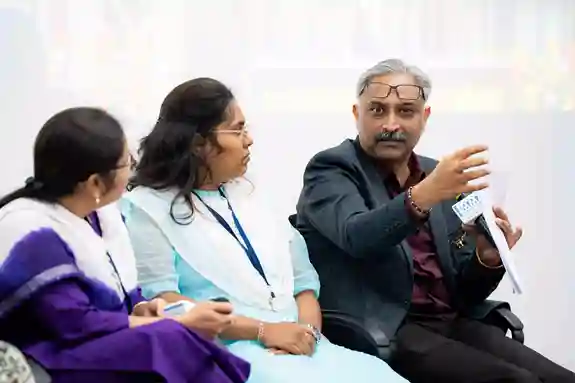
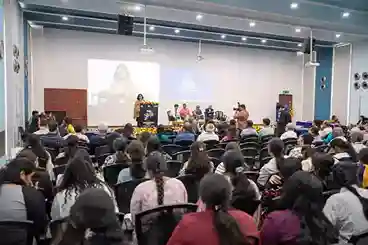
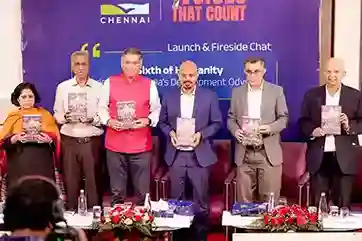
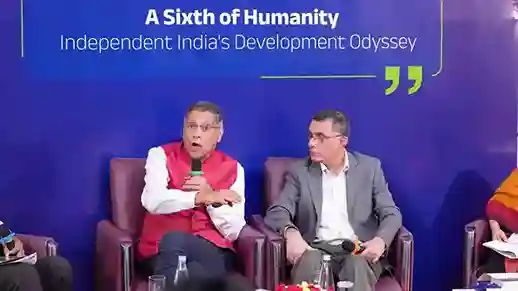
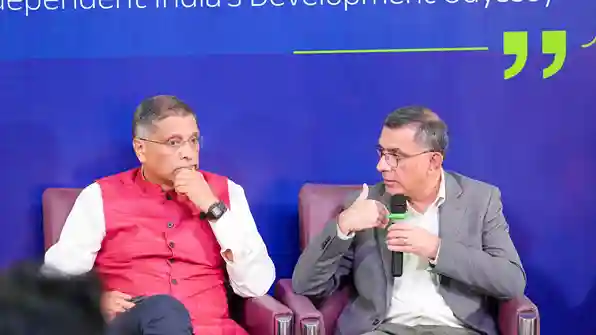
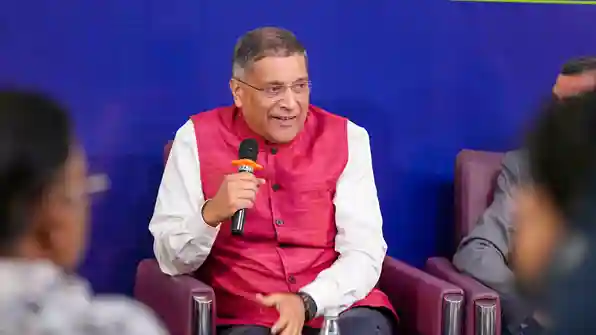
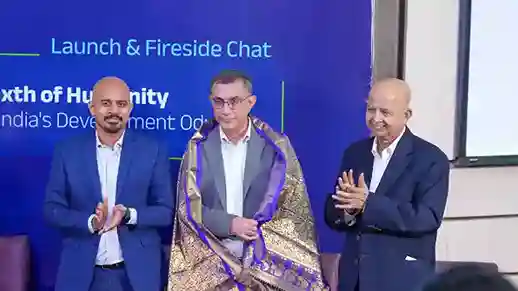
A Sixth of Humanity Book Launch
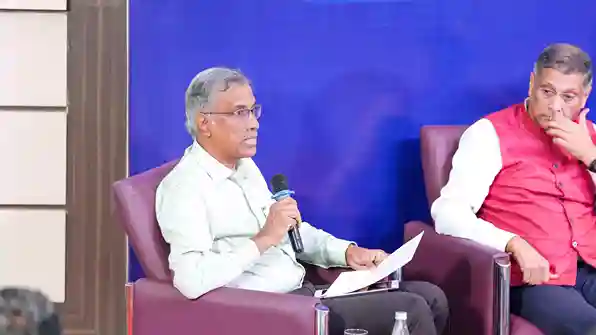
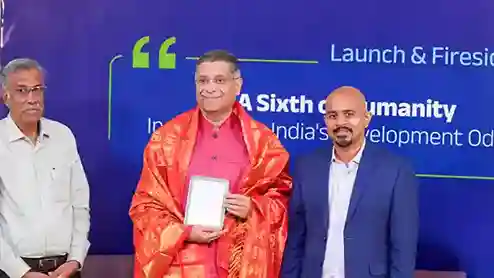
The book A Sixth of Humanity: Independent India’s Development Odyssey by economist Arvind Subramanian and political scientist Devesh Kapur was launched at Great Lakes Institute of Management, Chennai, as part of The Federal’s Voices That Count series.
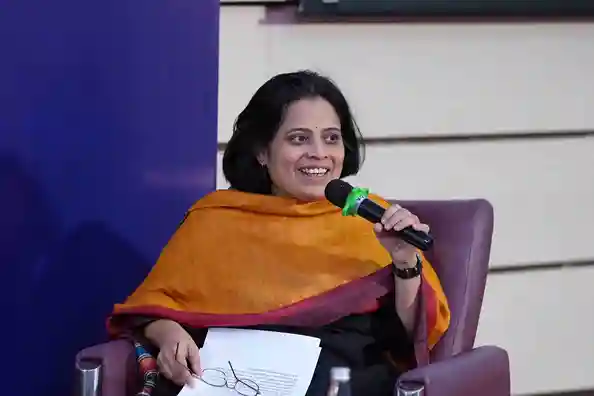
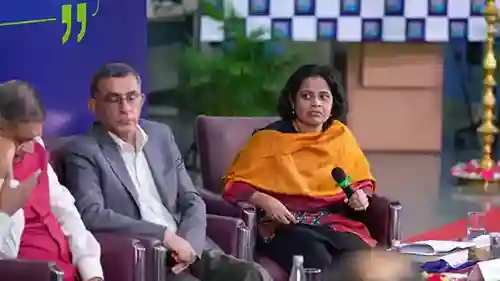
In a wide-ranging conversation with the centre’s chairperson Prof Vidya Mahambare and The Federal’s chief editor Mr S Srinivasan, the authors unpacked India’s distinctive development journey. They examined the country’s unusual sequencing of democracy before sustained economic development, the tensions between state capacity and political ambition, and the shifting role of institutions in shaping outcomes.
The discussion moved beyond theory into sharp, contemporary questions about growth, equity, governance, and India’s place in a changing global order. What followed was an engaged exchange with students and faculty, turning the book launch into a thoughtful dialogue on the challenges and opportunities that will define India’s next chapter.
To watch the entire launch, click here





Women @ Work: Powering Progress, Shaping the Future
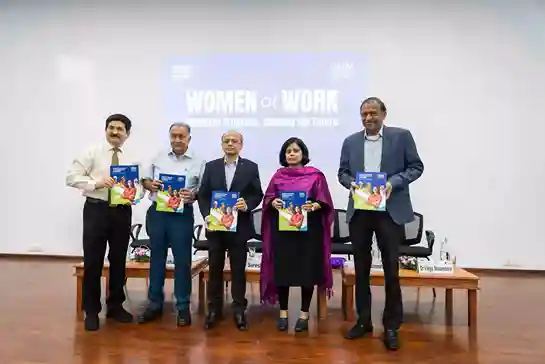
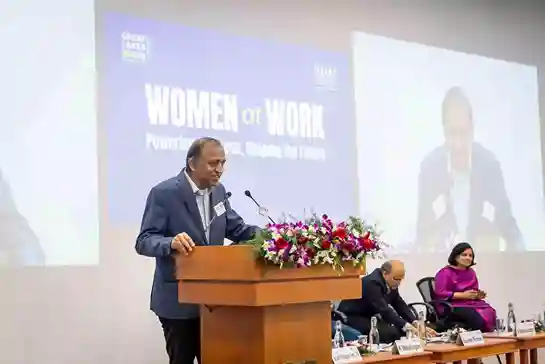
On 7 March 2025, we partnered with the Madras Management Association to mark International Women’s Day with a focused conversation on advancing women’s leadership in business.
The
A key highlight was the release of our report, Women @ Work: Powering Progress, Shaping the Future, which received strong appreciation and coverage across multiple media platforms.
To watch the entire launch, click here
To download the white paper, click here
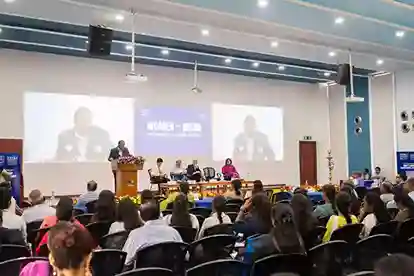

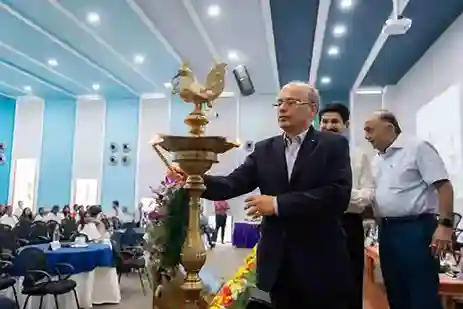
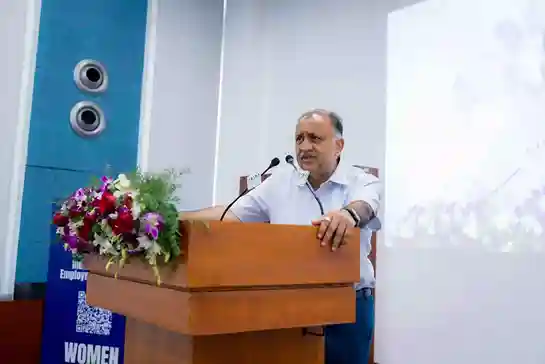
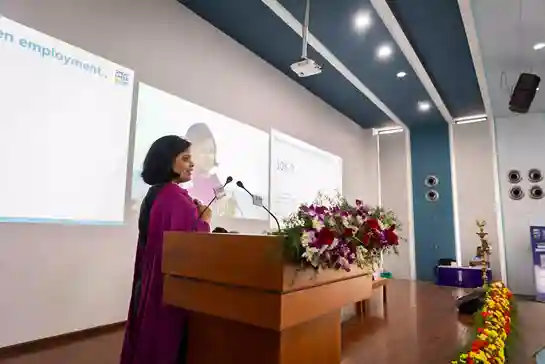
Inspiring Change Conference, December 2022
Despite significant progress in recent decades, workplaces worldwide remain divided along gender lines. In many countries, the COVID-19 pandemic has led to a drop in female labour force participation and in countries such as India, women’s participation in paid work remains low. At every stage in the labour market, including job search, wage negotiations, promotion to middle and senior management, and access to and cost of finance, women tend to face barriers. Even when unintended, several such constraints prevent women from developing their full economic potential. On 9th and 10th December 2022, we hosted an international conference featuring several leading academicians and practitioners in this field for an in-depth discussion
To watch the entire launch, click here
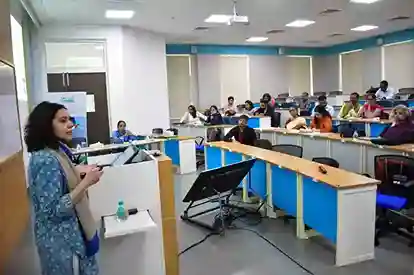
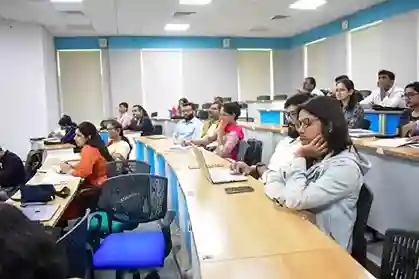
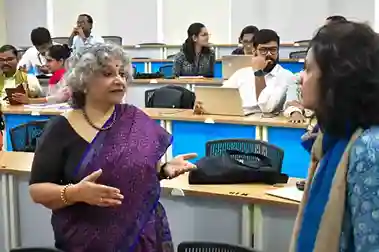
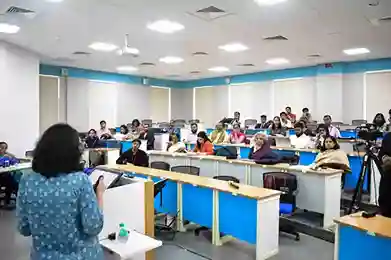
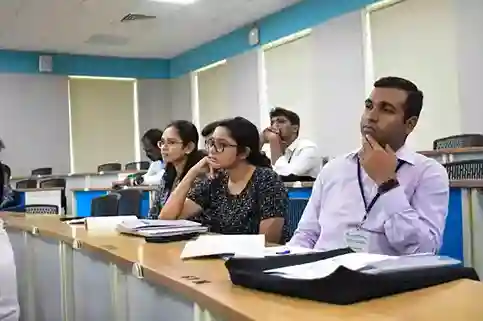
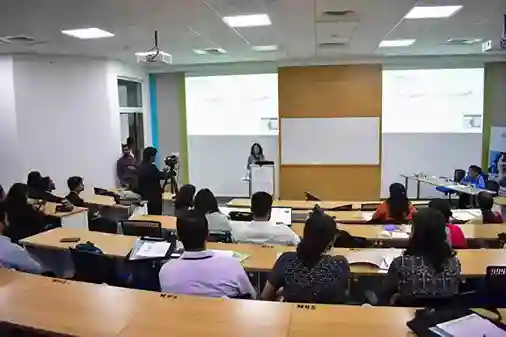
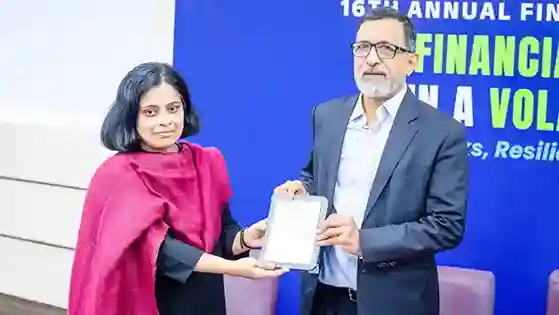
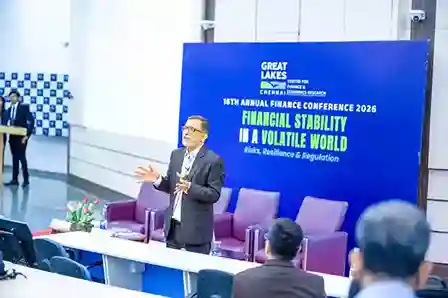
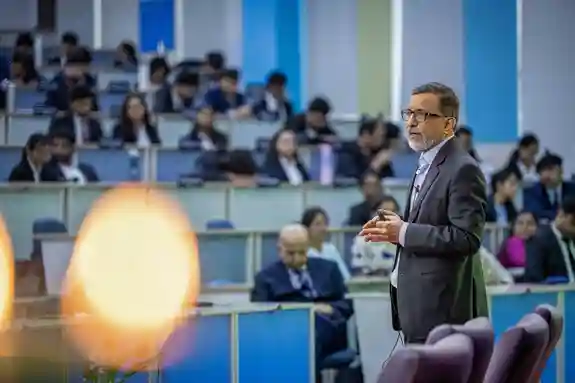
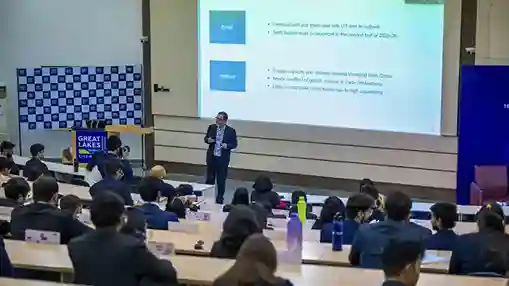
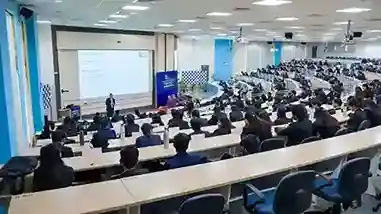
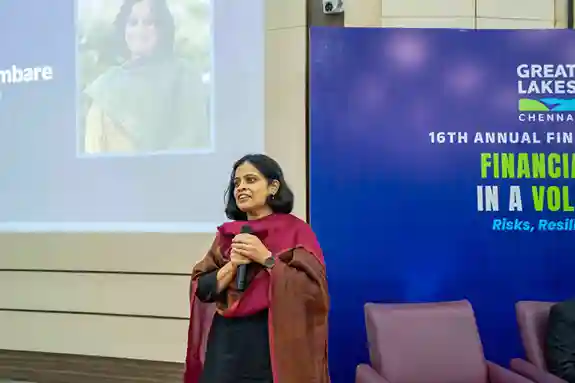
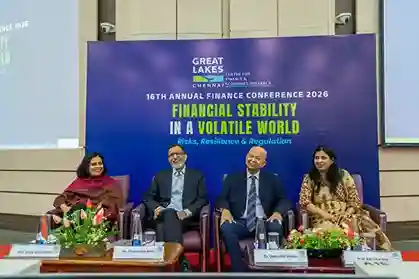
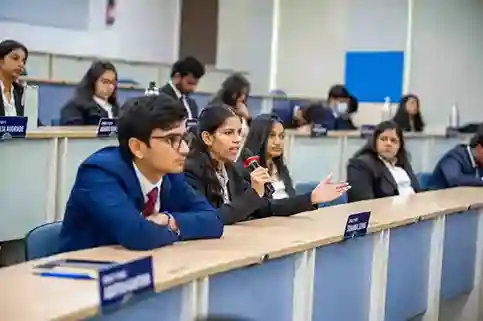
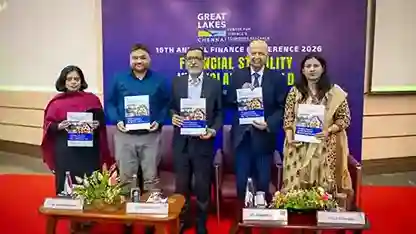
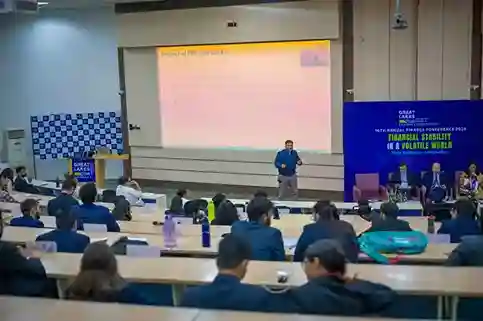
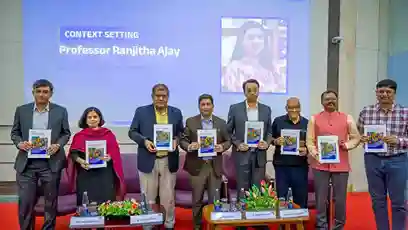
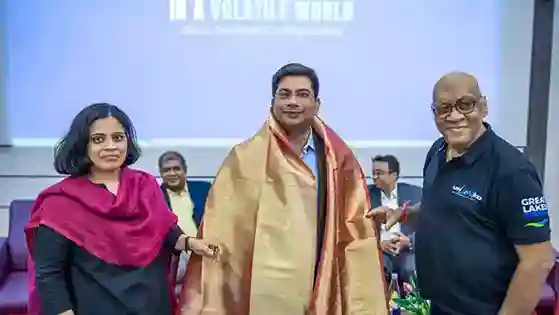
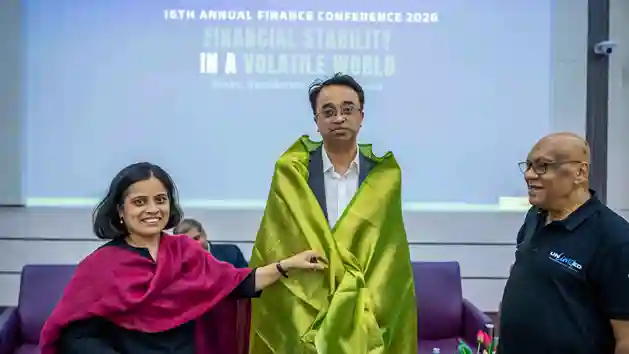
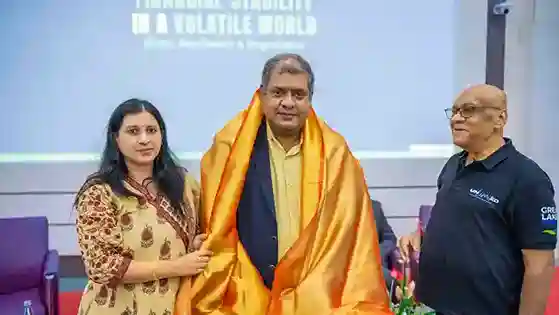
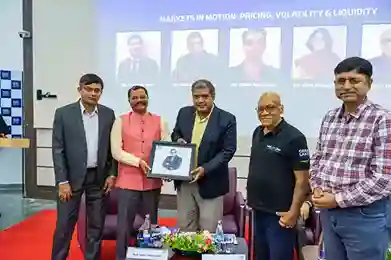
16th Annual Finance Conference, - ‘Financial Stability in a Volatile World: Risks, Resilience, and Regulation’, 26th February 2026
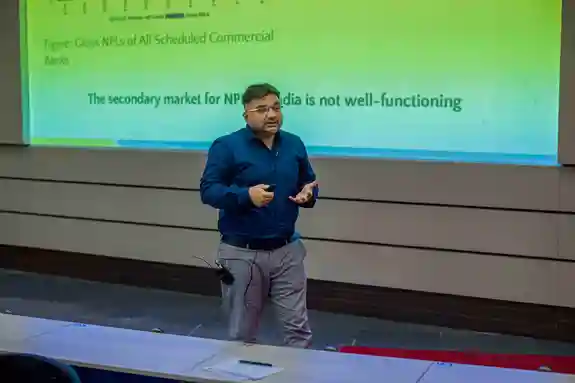
The day began with the inaugural session, with welcome remarks by the leadership of Great Lakes and contextual framing of the evolving macro-financial landscape, The Inaugural Address by the Chief Guest, Mr. Dharmakirti Joshi, Chief Economist, CRISIL, provided a comprehensive perspective on global uncertainties, domestic growth dynamics, and the policy challenges of ensuring stability amid volatility, followed by an engaging student Q&A. The morning also featured a research presentation on the market for NPAs, enriched by expert commentary and discussion.
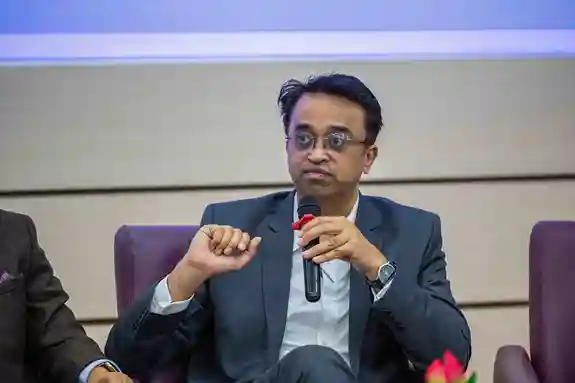
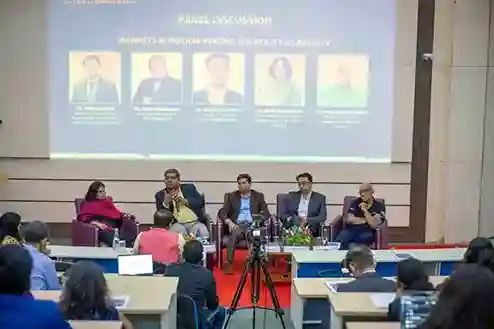
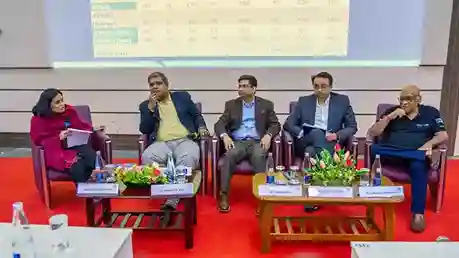
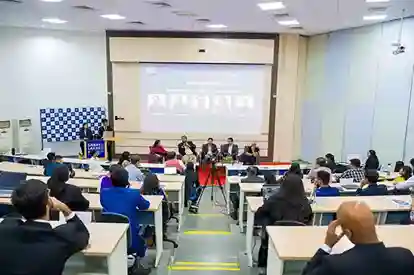
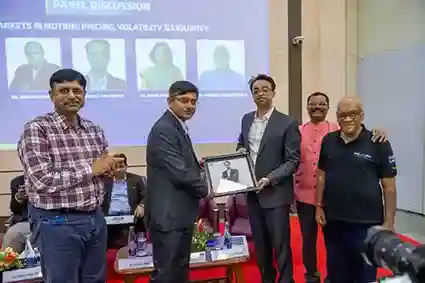
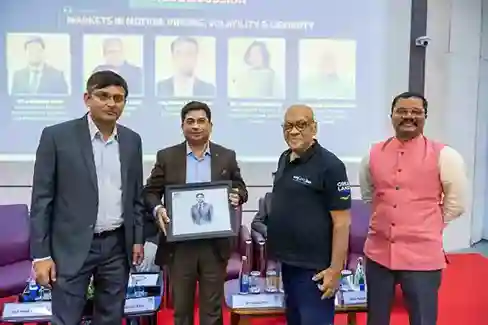
The second session transitioned from macro-financial stability to market microstructure, with a paper examining structural shifts in high-frequency noise in Nifty 50 Futures (2022–2025). This was followed by a high-powered panel discussion titled “Markets in Motion: Pricing, Volatility & Liquidity,” featuring Dr. Prabhas Rath, Chief General Manager, Department of Economic and Policy Analysis, SEBI; Prof. Sankarshan Basu, Professor of Finance, IIM Bangalore; and Dr. Eshan Ahluwalia, Director, Financial Engineering, BlackRock. Moderated by Prof. Vidya Mahambare, Union Bank Professor of Economics, the discussion brought together regulatory, academic, and industry perspectives to debate market dynamics and resilience in a changing financial environment. The conference concluded with prize distribution and closing remarks, underscoring both scholarly excellence and the importance of sustained research engagement in navigating financial volatility.
To download the paper: Cherries, Lemons and the Market for Non-performing Loans, click here
To download the paper: Market Microstructure Metamorphosis, click here
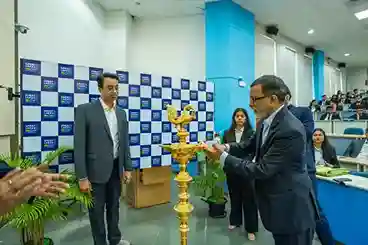

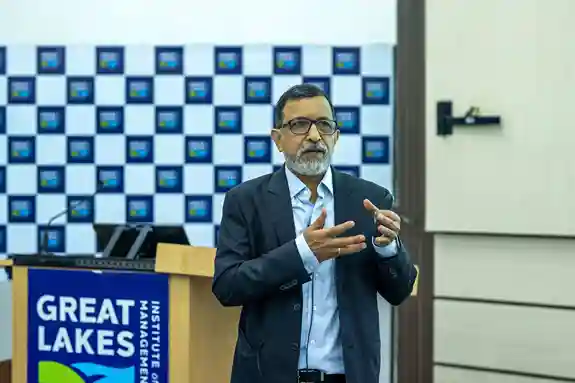
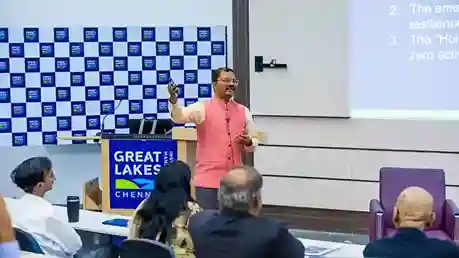
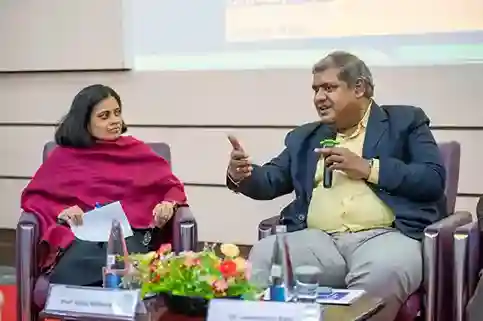
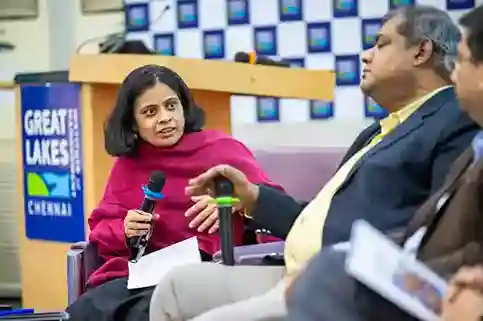
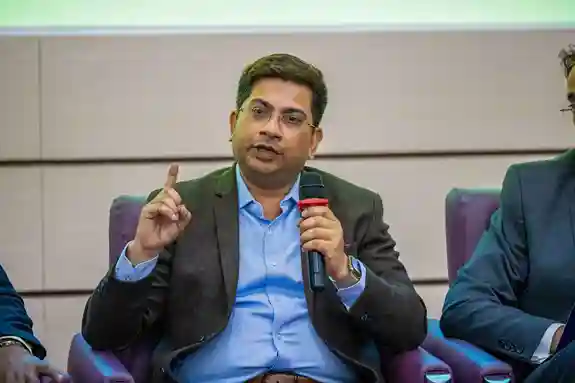
15th Annual Finance Conclave - India’s Secular Growth Story
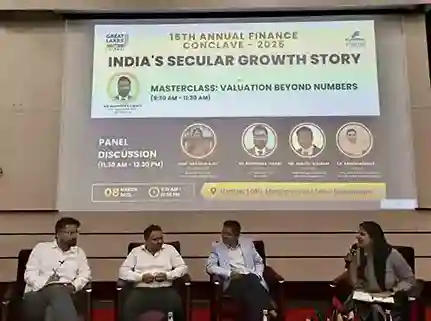
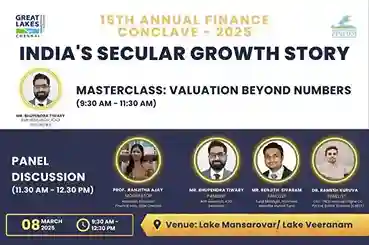
The 15th Annual Finance Conclave 2025 brought together market practitioners and academic leaders to explore India’s Secular Growth Story—the structural forces shaping India’s long-term economic expansion beyond short-term cycles. The conclave features a masterclass on Valuation Beyond Numbers, followed by a panel discussion with leading voices from capital markets, asset management, and venture investing. Together, the sessions offer a practitioner-led perspective on valuation, governance, and growth in India’s evolving financial landscape.
Masterclass Speaker - Bhupendra Tiwary – AVP Research, ICICI Securities
Session: Valuation Beyond Numbers
Panel Discussion
- Ranjitha Ajay – Associate Professor, Finance, Great Lakes Chennai
- Bhupendra Tiwary – AVP Research, ICICI Securities
- Renjith Sivaram – Fund Manager, Mahindra Mutual Fund
- Ramesh Kuruva – CEO, VIVOS Venture Engine
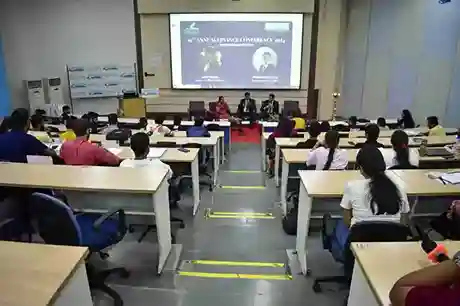
The 14th Annual conclave - Nurturing a Sustainable Future: Exploring the Dynamics of Sustainable Finance
The conference theme focused on the integration of environmental, social, and governance considerations into investment decision-making and their implications for risk management, portfolio performance, and long-term value creation. It covered socially responsible and impact investing, green finance instruments, and climate finance, with attention to their effectiveness in mobilising capital toward sustainable outcomes. The theme also emphasised corporate governance, transparency, disclosure, and the evolving regulatory landscape in building investor confidence and accountability, alongside the role of financial inclusion and development finance institutions in advancing sustainable development goals.
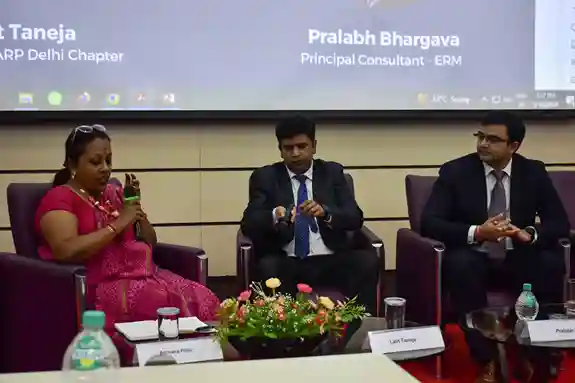
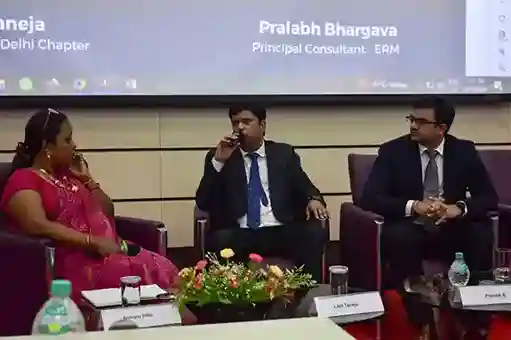
Keynote Address by Mr. Lalit Taneja [Head, GARP India (Delhi Chapter)]
Theme: Nurturing a Sustainable Future
Masterclass by Mr. Pralabh Bhargava [Principal Consultant, ERM Delhi]
Theme: Mechanisms, Frameworks, Instruments and Impact Measurement
Panel Discussion
- Dr. Archana Pillai [Resident Mentor, NSRCEL, IIMB and Director, Social
- Audit Network (SAN) India
- Impact Investing Climate in India Mr. Lalit Taneja [Head, GARP India (Delhi)
- Risk Management perspective Mr. Pralabh Bhargava [Principal Consultant, ERM Delhi]
The 13th Annual conclave - Nurturing a Sustainable Future: Exploring the Dynamics of Sustainable Finance
The conference focused on how individuals, institutions, and economies can build and protect wealth amid volatility, uncertainty, complexity, and ambiguity. It explored India’s macroeconomic rise in a disrupted global environment alongside practical personal finance strategies for long-term financial resilience. The discussions bridged policy, markets, and household finance perspectives.
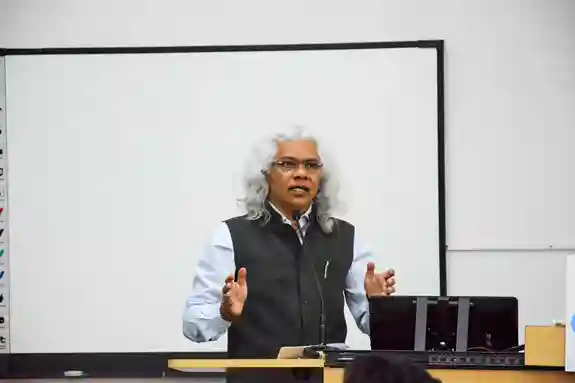
Inaugural address - Gautam Chikermane, Vice President, Observer Research Foundation; Author of Reform Nation and India 2030 (Inaugural Address: “The Rise of India in a World of Disruptions”)
Masterclass - Monika Halan, Personal Finance Expert; Author of Let’s Talk Mone (Keynote Address: “Let’s Talk Money: How to Get Your Money to Work Hard for You”)
- Sanjoy Sircar, Area Chair (Finance), Great Lakes Institute of Management
- Vishwanathan Iyer, Senior Associate Professor of Finance, Great Lakes Institute of Management
- Vidya Mahambare, Professor of Economics, Great Lakes Institute of Management
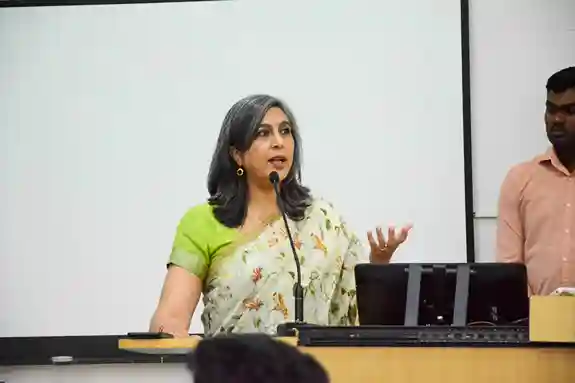
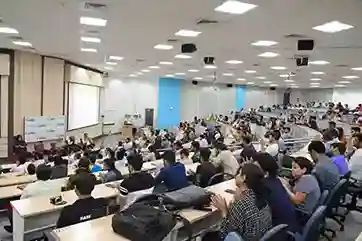
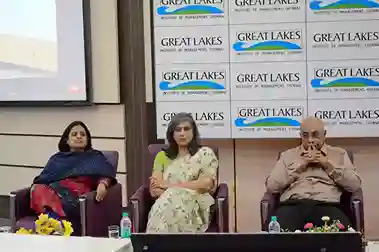
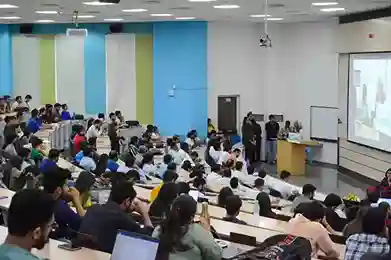
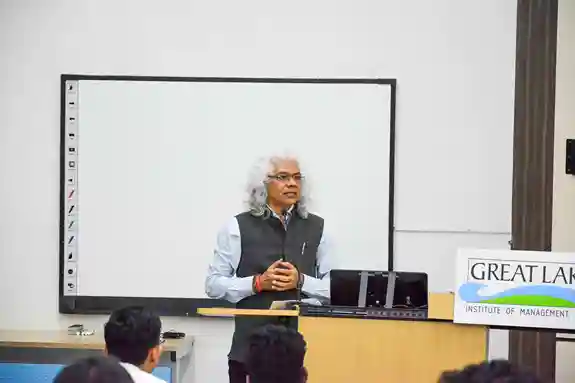
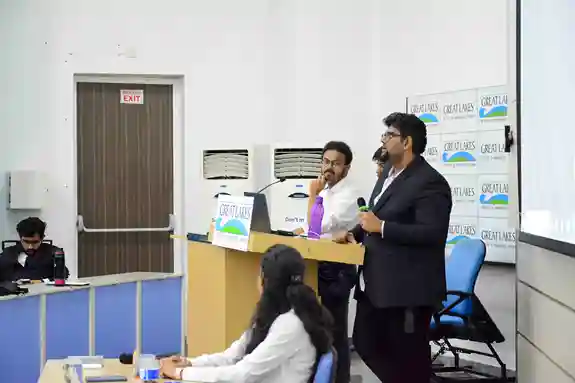

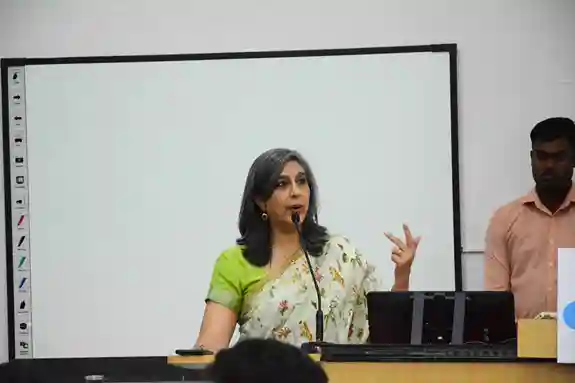

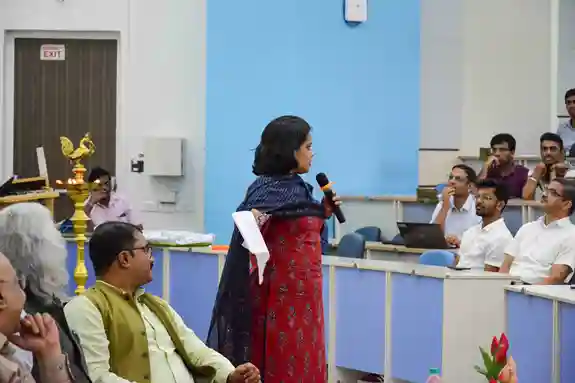
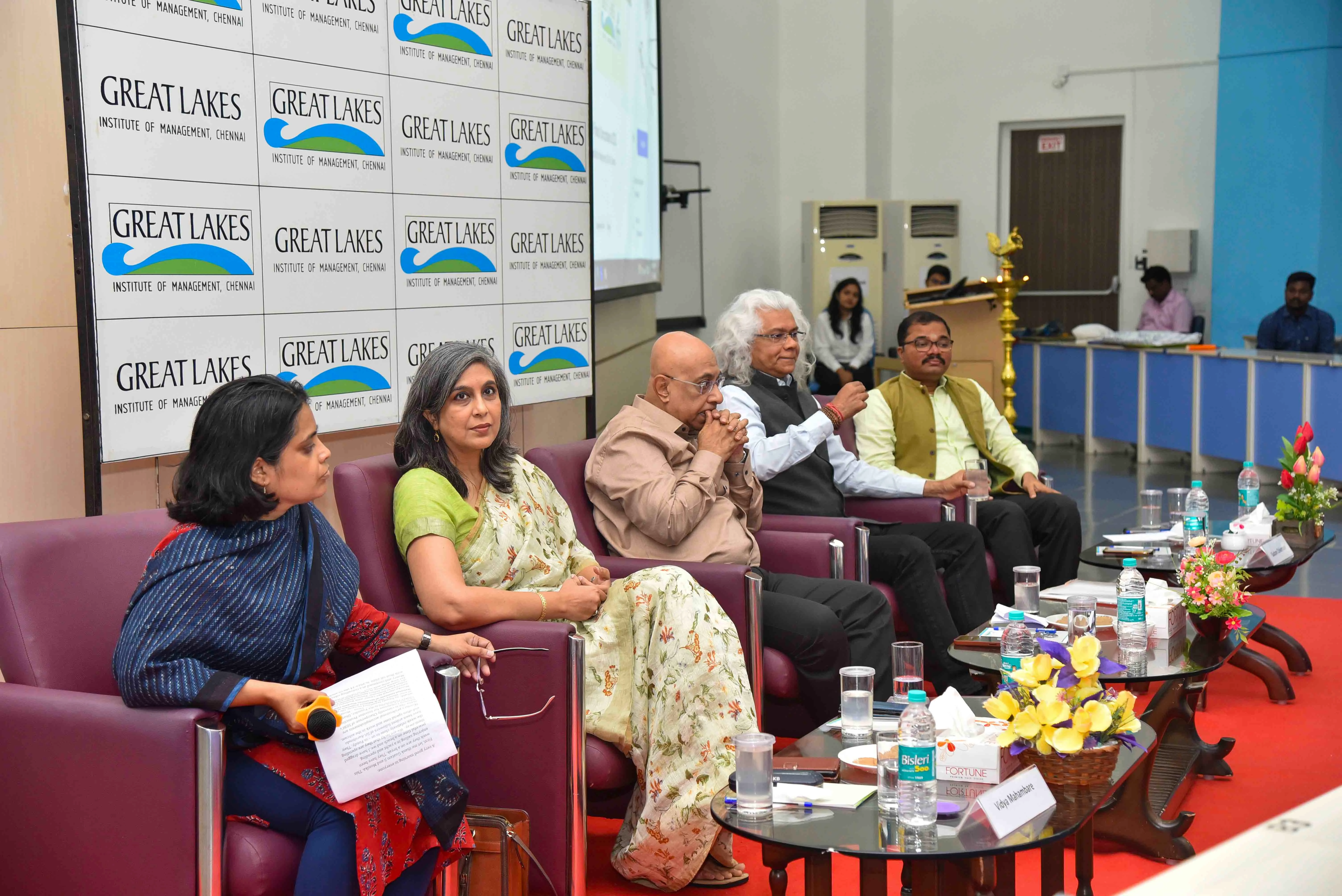
The 12th Annual Finance Conclave - Policymaking Dilemmas and Strategies for Wealth Creation.
The conference examined the challenges policymakers face in managing macroeconomic and financial stability, drawing on central banking experience in India. It also explored long-term wealth creation strategies through disciplined investing and institutional capital management. Together, the sessions bridged public policy perspectives with market-driven investment approaches.
The keynote address - Duvvuri Subbarao, 22nd Governor, Reserve Bank of India;
Former Joint Secretary, Ministry of Finance, Government of India (Inaugural Talk: “Dilemmas in Central Banking: Experiences from the Reserve Bank of India”)
Session on Wealth Creation Strategies
- Mohan Lakhamraju, Chairman, Great Lakes Institute of Management; Founder and CEO, Great Learning
- Saurabh Mukherjee, Founder and Chief Investment Officer, Marcellus Investment Managers Pvt. Ltd.
- Rakshit Ranjan, Salil Desai, Marcellus Investment Managers Pvt. Ltd.
- Suresh Ramanathan, Dean and Principal, Great Lakes Institute of Management, Chennai; Dr Bala V Balachandran Distinguished Professor of Marketing & Strategy
- Vidya Mahambare, Professor of Economics, Great Lakes Institute of Management
To watch the full conference, click here
The 11th Annual Finance Conclave - Strategy of Auctions and the Way Forward for India.
The conference focused on auction theory and its practical relevance for Indian markets and public policy, particularly in sectors such as telecommunications. It brought together global theoretical insights and Indian policy applications, highlighting how well-designed auctions can improve efficiency, competition, and economic outcomes. The discussions bridged Nobel Prize–winning economic theory with real-world regulatory and market challenges in India.
Robert B. Wilson, Nobel Laureate in Economics (2020); Adams Distinguished Professor of Management (Emeritus),
Stanford Graduate School of Business (Inaugural Address)
Rajat Kathuria, Director and Chief Executive, Indian Council for Research on International Economic Relations
(ICRIER), New Delhi
Bala V Balachandran, Founder, Chairman and Dean (Emeritus), Great Lakes Institute of Management;
J.L. Kellogg Distinguished Professor (Emeritus in Service) of Accounting & Information Management, Northwestern University
Suresh Ramanathan, Dean and Principal, Great Lakes Institute of Management, Chennai; Dr Bala V Balachandran Distinguished Professor of Marketing & Strategy
Sanjoy Sircar, Professor of Finance, Great Lakes Institute of Management, Chennai (Context Setting: Indian Telecom Sector at a Crossroads; Moderator)
Vidya Mahambare, Professor of Economics, Great Lakes Institute of Management
To watch the full conference, click here
Indian Women and Paid Work: Choices, Opportunities, and Constraints
Across economies, gender gaps in work persist in ways that are structural, not incidental. The pandemic exposed how fragile progress had been. Globally, women exited the workforce at higher rates due to caregiving burdens, job losses in contact-intensive sectors, and limited social safety nets. In India, female labour force participation continues to remain among the lowest for major economies, despite rising educational attainment among women.
The barriers show up at every stage. During job searches, women are often filtered into lower-paying or informal roles. In wage negotiations, social conditioning and bias can suppress earnings. Career progression slows at the middle-management level, where leadership pipelines narrow sharply. Access to capital for women entrepreneurs remains costlier and more restrictive, limiting scale and sustainability. Many of these constraints are subtle, embedded in norms, networks, and institutional design, yet their cumulative effect is significant: they restrict women from fully realising their economic and leadership potential.
Against this backdrop, on 9 and 10 December 2022, we hosted an international conference that brought together leading academicians and practitioners to examine these challenges through data, lived experience, and policy insights. The discussions moved beyond diagnosis to solutions, exploring pathways to build more inclusive workplaces, strengthen institutional support, and reimagine systems that enable women not just to participate, but to lead and transform the future of work
To know more about the conference, click here

August 2026 – Prof Vidya Mahambare was invited on one of the top economy podcasts in India, “How India's Economy Works,” hosted by journalist and author Puja Mehra of TheCore.in. The discussion focused on the intended consequences of India’s Rural Housing Subsidy and its implications for the job market.
The episode is available here
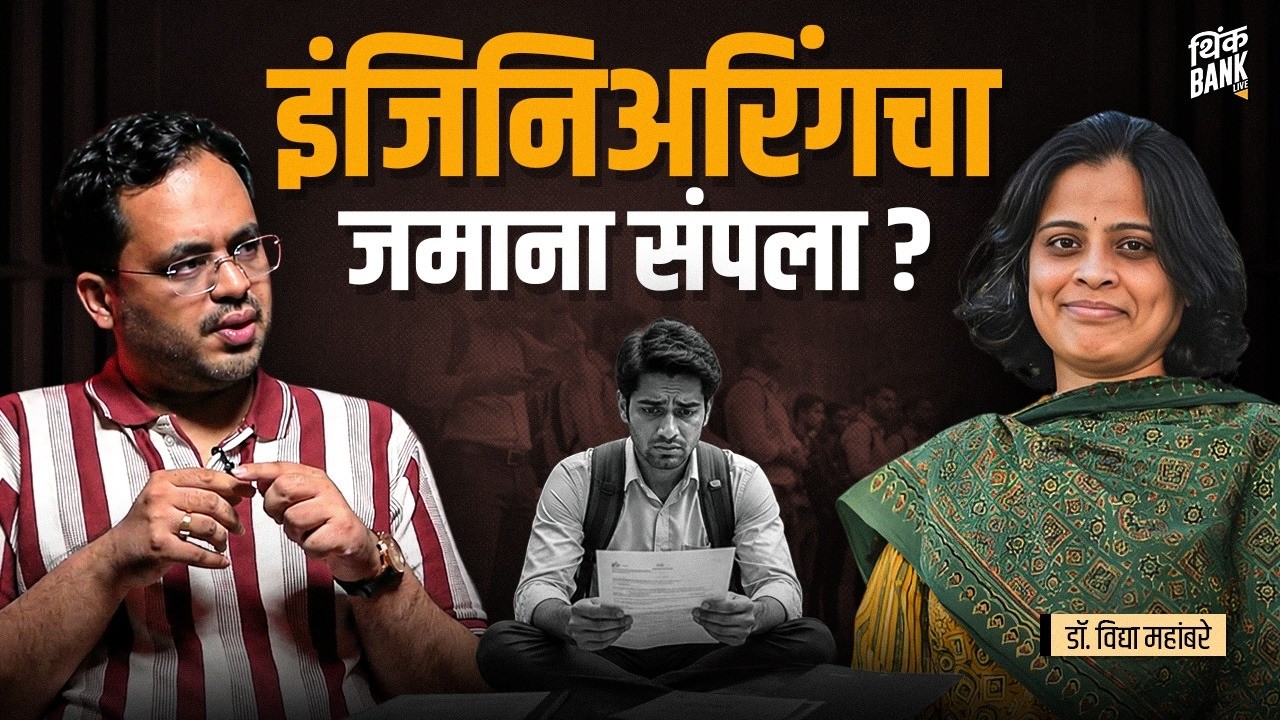
August 2026 - Professor Vidya Mahambare spoke with Think Bank, a popular Marathi podcast, on a variety of economic issues, including the jobs situation and potential impact of AI, manufacturing and service sectors in India, the difference between payroll and permanent jobs, and the housing market in India.
The episode is available here

Prof. Vidya Mahambare Featured on The Seen and the Unseen

Prof. Vidya Mahambare delivered a seminar on the “State of Employment and the Future of Work” at Pune International Centre on 2nd July, 2026.
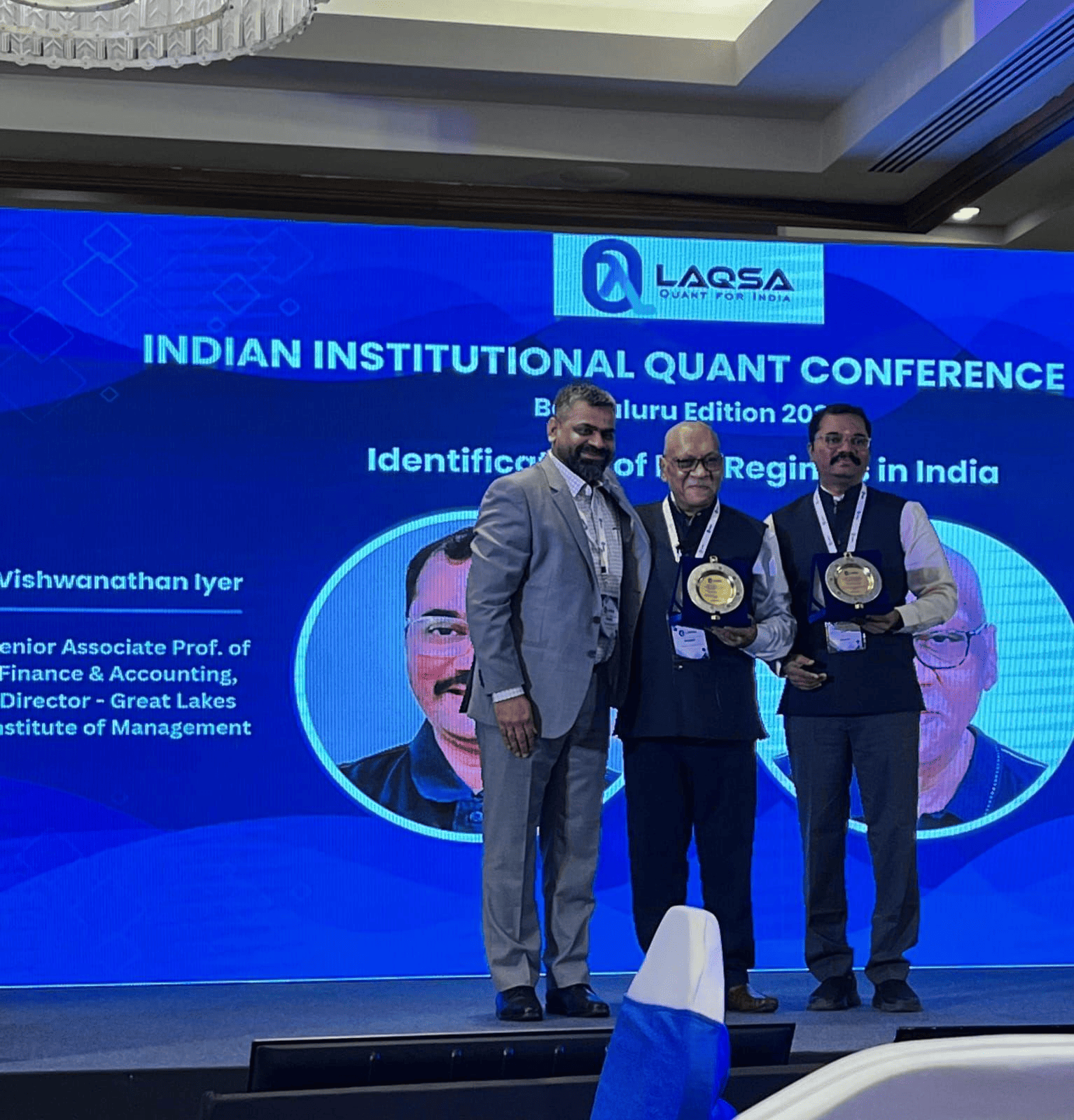
Prof. Viswanathan Iyer & Prof. Ranjan Chakravarthy was invited to as Headline Speakers at Indian Institutional Quant Conference by the CIO of Blackrock India and The co-founder of LAQSA (Lamba Quantitative Strategies Association) on April 24th in Bangalore.
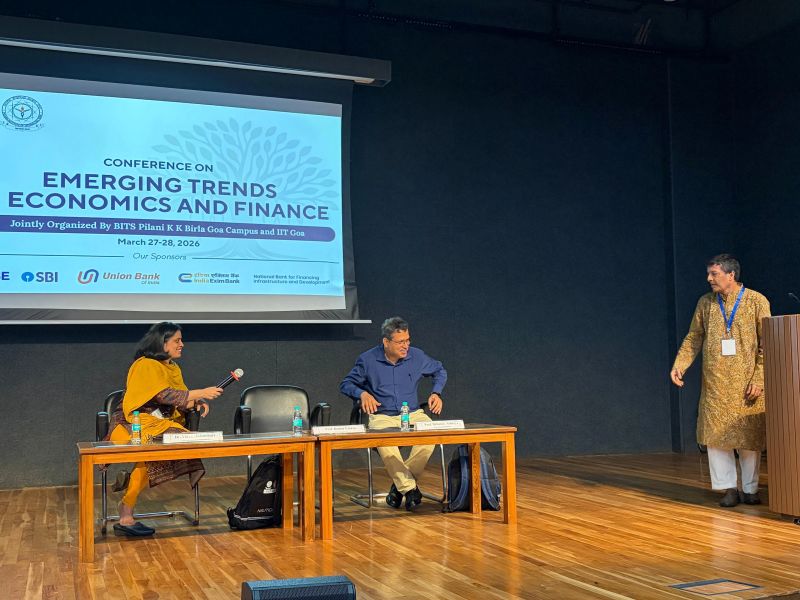
Prof. Vidya Mahambare was a Distinguished speaker at ‘International Conference on Emerging Trends in Economics and Finance, a Symposium on Monetary Policy at the BITS Pilani, K.K. Birla Goa Campus on 27th March, 2026.
The session provided valuable insights into contemporary monetary policy challenges, macroeconomic dynamics, and policy implications, fostering meaningful discussions among participants.
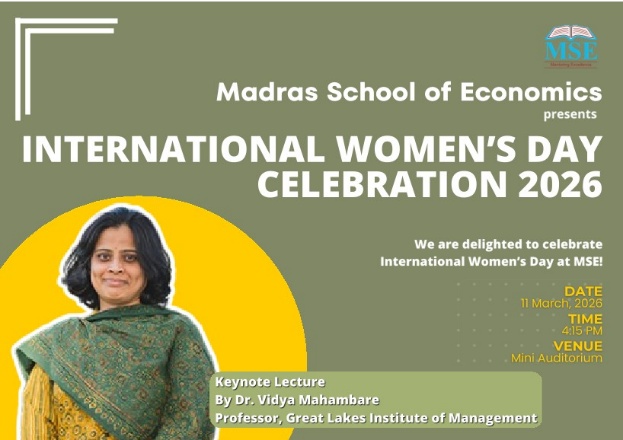
Prof. Vidya Mahambare was invited as a Key note Speaker on International Women’s Day Celebration 2026 at Madras School of Economics on 11th March, 2026

Prof. Vidya Mahambare was invited as a Guest Speaker in Tamil Nadu Women Employment and Safety Project -TNWESAFE on 28th January, 2026.
The event was about understanding the ground-level role of police services, the changes to the legal framework, and the implementation of the laws protecting women's safety and security, specifically in Tamil Nadu.
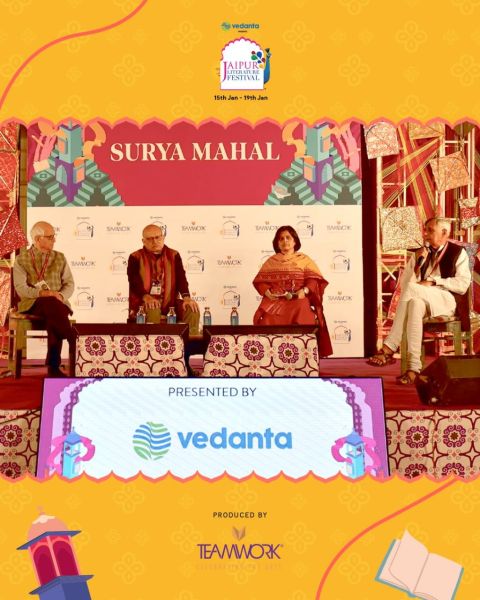
Prof. Vidya Mahambare was invited as a Panel Member to discuss on Mr Maira’s book 'Reimagining the Indian Economy' and the challenge of job creation at the ever-unparalleled Jaipur Literature Festival 2026 on 15th Jan, 2026. https://www.youtube.com/watch?v=uxIxqYzNeBw?
Retail Investors in India
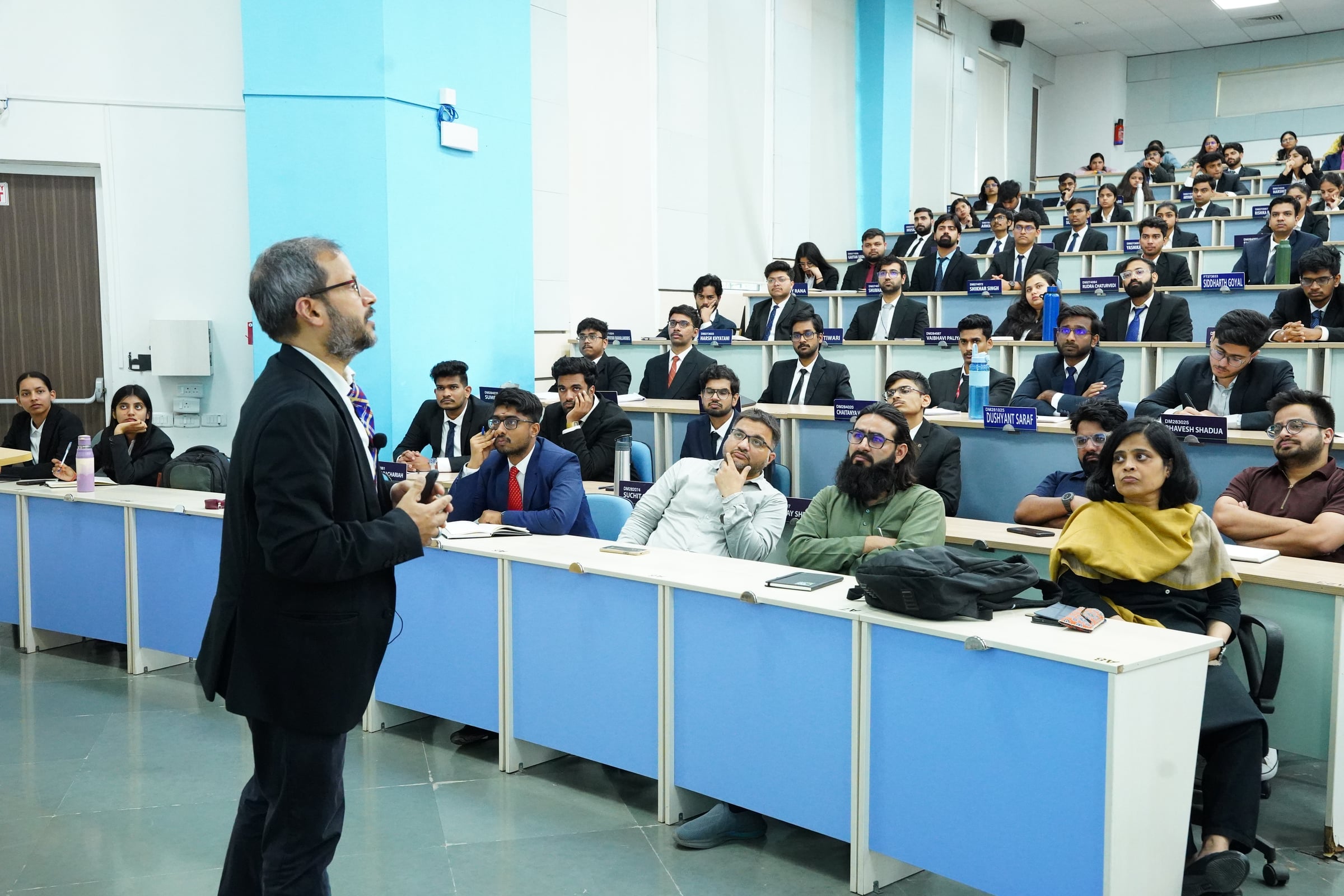
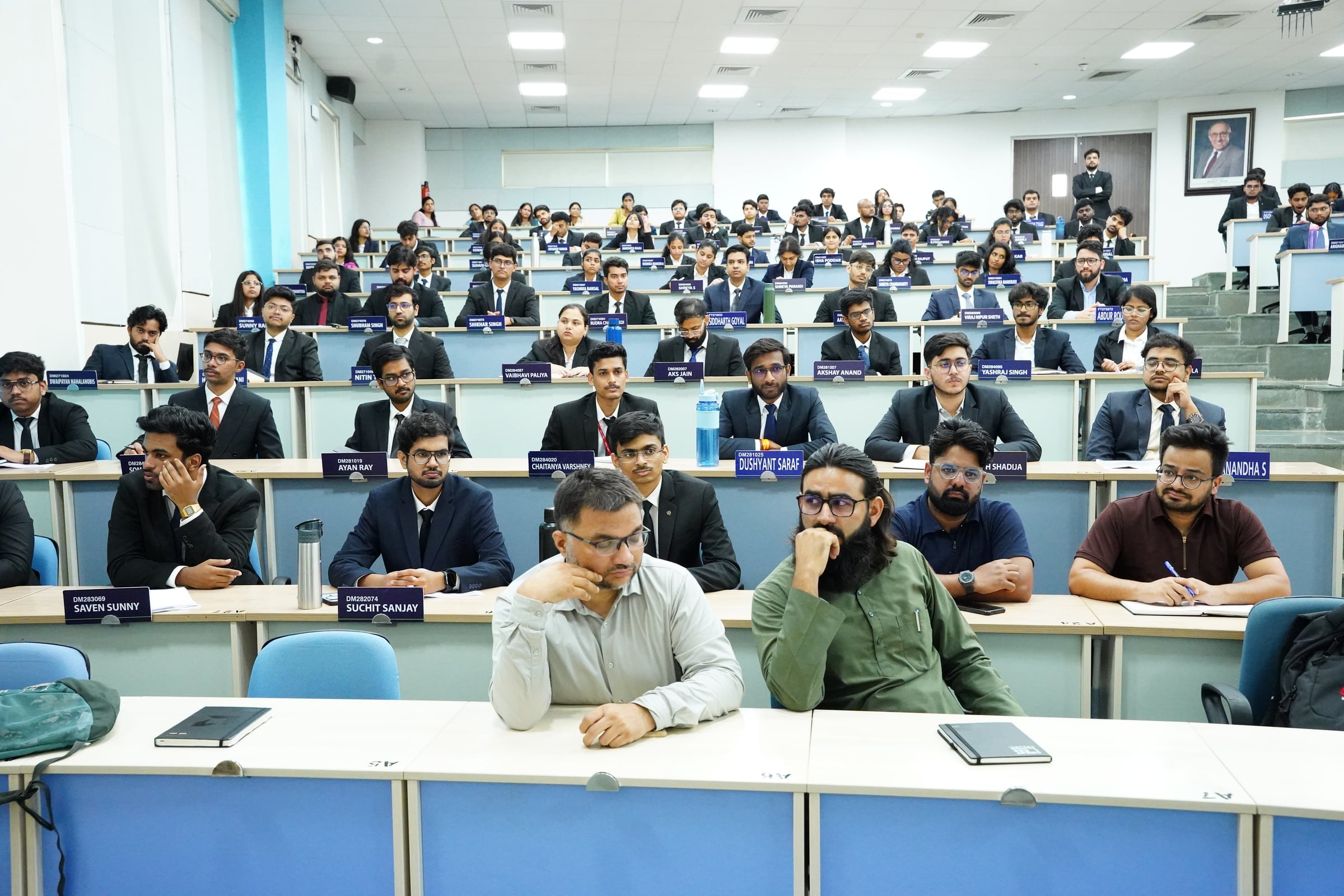
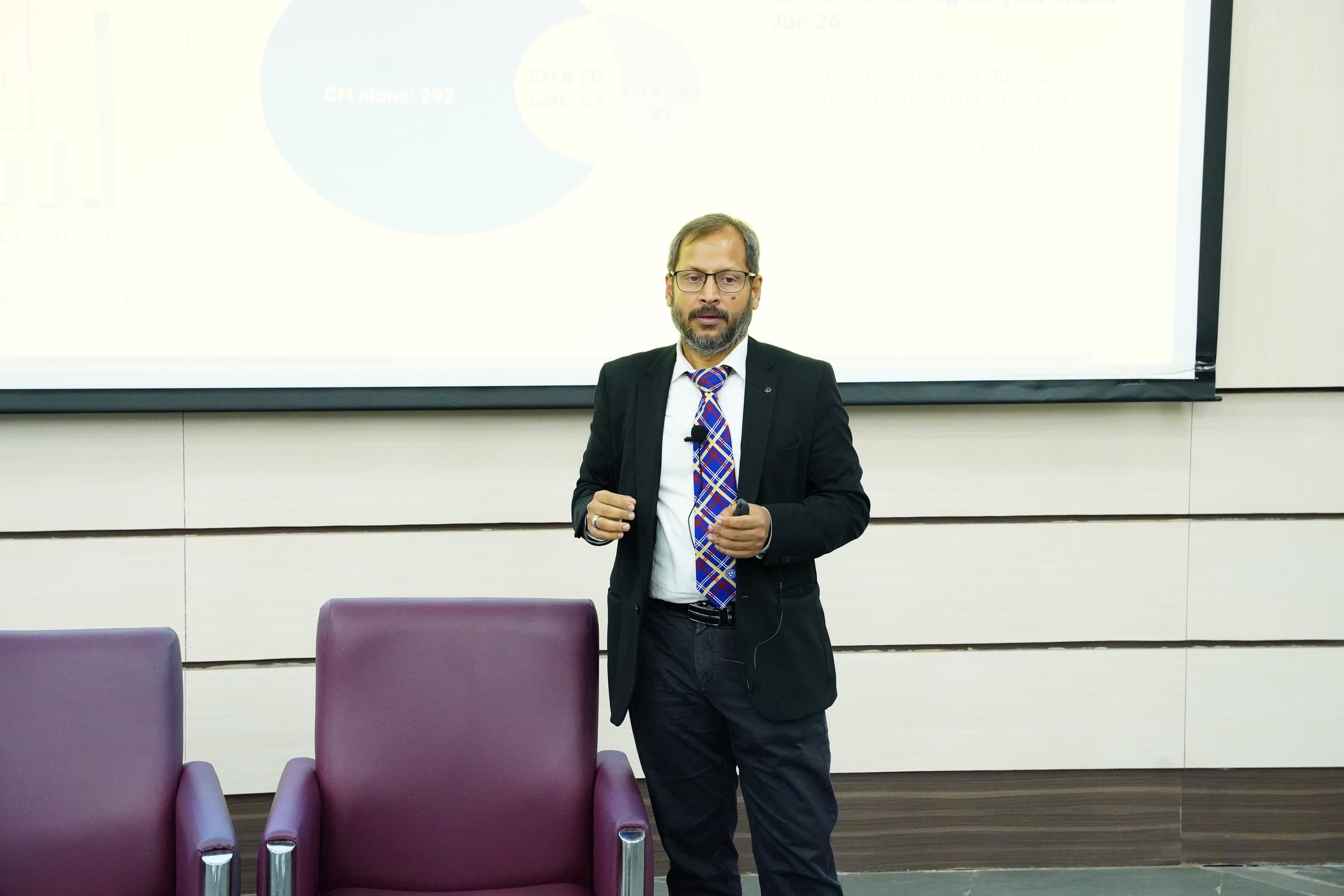
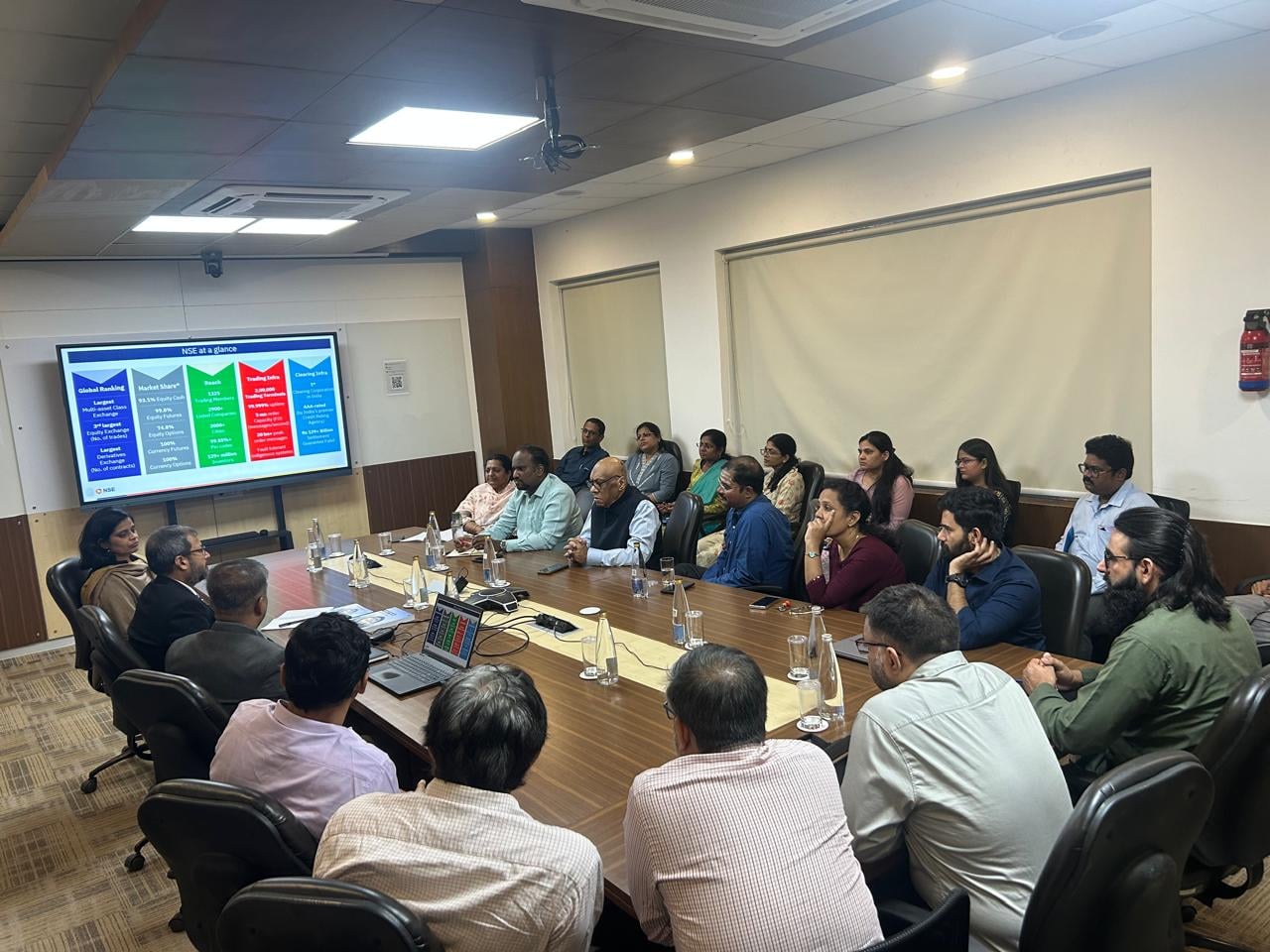
A session by Dr. Tirthankar Patnaik, Chief Economist, National Stock Exchange of India, on 27th August, 2026
Dr. Tirthankar Patnaik and Mr. Prosenjit Pal delivered an insightful session on the evolving landscape of retail participation in Indian financial markets. Drawing on their experience at the NSE, they highlighted how retail investors have become an increasingly significant force in shaping market dynamics. The session discussed the growing depth and breadth of participation across regions, the role of digital infrastructure in enabling access, and the changing profile of investors. They also reflected on the rise of domestic institutional flows and the broader implications for market development and wealth creation in India.
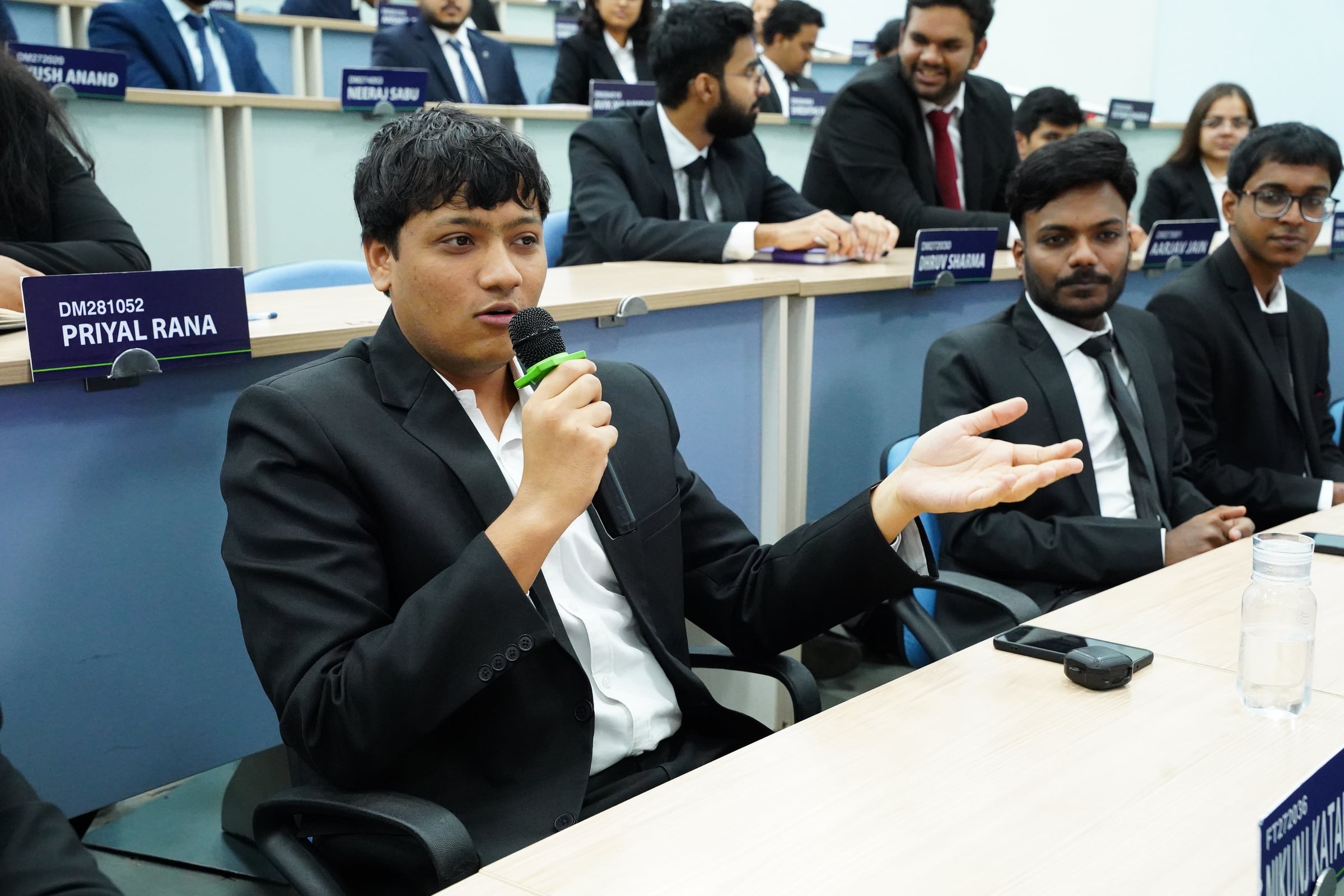
Development, Industrial Policy and Governance in Practice: Lessons from Tamil Nadu
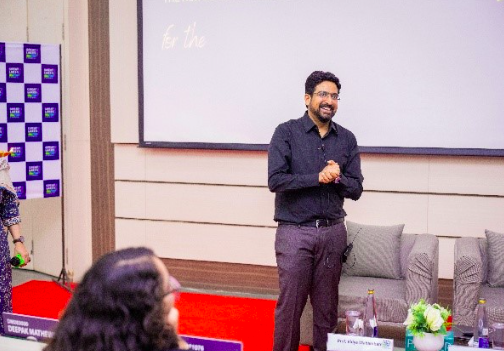
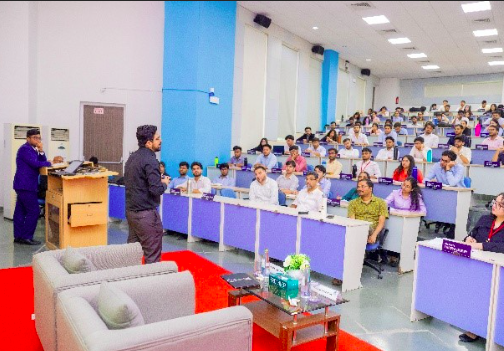
A session by Mr. Vishnu Venugopalan, IAS, Additional Secretary to the Hon'ble Chief Minister of Tamil Nadu, on 25th July, 2026
Vishnu Venugopalan, IAS, an additional secretary to the Chief Minister of Tamil Nadu and a former Practitioner-in-Residence Fellow at the Harvard Kennedy School, delivered an engaging talk, drawing on the Tamil Nadu experience, to show how development, industrial policy, and governance come together in practice. Moving beyond theory, the session explored how the state drives industrialisation, attracts investment, and builds institutions that enable inclusive growth.
- Raghavendra, C.Joshi, K. P., & Varghese, I. K. (2026). The digital-sustainability nexus: Host country resource alignment and supply chain digitalization in global acquisitions. Sustainable Futures, 11, 101901. https://doi.org/10.1016/j.sftr.2026.101901
- Jain, N., Kashiramka, S. and Chaudhry, N., 2026. Peer Effect on Payout Decisions: The Moderating Role of Institutional Shareholdings and Agency Problems. American Business Review, 29(1), p.9. https://doi.org/10.37625/abr.29.1.175-202
- Raghavendra, C., Joshi, K.P. and Varghese, I.K., 2026. The digital-sustainability nexus: Host country resource alignment and supply chain digitalization in global acquisitions. Sustainable Futures, 11, p.101901. https://doi.org/10.1016/j.sftr.2026.101901
- Mahambare, V., Gupta, A. and Dhanaraj, S. 2026. Analysing the sentiment-based variation in finance ministers' communication. Quality and Quantity, 60, 1859–1883 https://doi.org/10.1007/s11135-025-02324-2
- Subramaniam, S., Ajay, R. and Bhargava, E., 2026. Earnings management and cost of newly issued corporate bonds. IIMB Management Review, p.100639. https://doi.org/10.1016/j.iimb.2025.100639
- Ajay, R., Srinivasan, S. and Rakesh, S., 2026. Competitive advantage, ownership structure, and real earnings management: the role of business group dominance in emerging markets. Asia Pacific Journal of Management, pp.1-24. https://doi.org/10.1007/s10490-025-10106-5 (Scopus - 97, ABDC - A)
- Bashir, H.A. and Kumar, D., Information or Noise? The Role of Investor Sentiment, Attention, and Analyst Coverage in Stock Price Synchronicity. Journal of Emerging Market Finance, p.09726527261416596 https://doi.org/10.1177/09726527261416596
- Mahambare, V., Dhanaraj, S., Srinivasan, M. and Christopher, A., 2025. Commuting, transport infrastructure and gender: evidence from Indian metros. Journal of Social and Economic Development, pp.1-26. https://doi.org/10.1007/s40847-024-00413-w
- Raghavendra, C., Yadav, M.P., Sharif, T. and Abedin, M.Z., 2025. Does human flight and brain drain affect cross-border acquisitions? Insights into tobit and binomial regression models. Research in International Business and Finance, 75, p.102805. https://doi.org/10.1016/j.ribaf.2025.102805 (Scopus - 96)
- Raghavendra, C., Mahesh, R., Khan, M.K., Dagar, V., Singh, S. and Alvarado, R., 2025. Impact of carbon emissions, renewable and non-renewable energy consumption on inbound cross-border mergers and acquisition’s investment inflow. Environment, Development and Sustainability, 27(6), pp.14123-14142. https://doi.org/10.1007/s10668-024-04511-x (Scopus-96)
- Raghavendra, C., Joshi, K.P. and Ramkumar, M., 2025. Logistics capabilities as drivers of cross-border acquisitions: empirical insights from advanced and emerging economies. Applied Economics, pp.1-20. https://doi.org/10.1080/00036846.2025.2501342 (ABDC - A)
- Mahambare, V., Srivastava, A. and Ramyaa, M.,< 2025. Goli Soda. Ivey Publishing Case W38311. London https://www.iveypublishing.ca/s/product/goli-soda/01tOF000007YbPJYA0
- Bashir, H.A. and Kumar, D., 2025. Unveiling investor sentiment, attention, and speed of price adjustment in Indian market. International Review of Economics & Finance, 101, p.104189. https://doi.org/10.1016/j.iref.2025.104189 (ABDC - A)
- Mahambare, V., Dhanaraj, S., Jain, V. and Jadhav, V., 2025. Evaluating cash transfers and health advice impact on child health: evidence from low-performing Indian states under Janani Suraksha Yojana. Indian Growth and Development Review, 18(2-3), pp.238-260. https://doi.org/10.1108/IGDR-09-2024-0150
- Mahambare, V., Gupta, A. and Dhanaraj, S., 2025. Analysing the sentiment-based variation in finance ministers’ communication. Quality & Quantity, pp.1-25. https://doi.org/10.1007/s11135-025-02324-2 (Scopus - 93)
- Raghavendra, C., Joshi, K.P. and Ramkumar, M., 2025. The Timing of State Visits: Examining Their Role in Shaping Deal Duration. Applied Economics, pp.1-21. https://doi.org/10.1080/00036846.2025.2568772 (ABDC - A)
- Ajay, R. and Anthony, R., 2025. Economic policy uncertainty, ESG and credit risk: do environmentally sensitive industries enjoy superior risk mitigation?. Applied Economics, pp.1-19. https://doi.org/10.1080/00036846.2025.2590774 (ABDC - A)
- Raghavendra, C., Joshi, K.P., Ramkumar, M. and Heggede, S., 2025. Financial stress, economic policy uncertainty, and market volatility: implications for cross-border acquisition activity. Research in Globalization, p.100327. https://doi.org/10.1016/j.resglo.2025.100327
- Anthony, R. and Ajay, R., 2025. Dissecting E, S, and G for risk mitigation: insights from the term structure of CDS. Applied Economics, 57(57), pp.9698-9712. https://doi.org/10.1080/00036846.2024.2423066 (ABDC - A)
- Ajay, R., Jory, S.R. and Syamraj, K.P., 2024. Advancing understanding of ESG score and executive compensation relationships in the Indian context. Global Finance Journal, 62, p.100993. https://doi.org/10.1016/j.gfj.2024.100993 (ABDC - A)
- Chada, S., Saravanan, P. and Varadharajan, G., 2024. Socioemotional wealth and cash flow sensitivity of cash: Evidence from India. The North American Journal of Economics and Finance, 69, p.102023. https://doi.org/10.1016/j.najef.2023.102023
- Jyoti, A., Selmi, R., Pathak, J. and Hammoudeh, S., 2024. The informational content of central bank communication for the energy market: the role of news versus surprises. Applied Economics, 56(59), pp.8719-8735. https://doi.org/10.1080/00036846.2023.2293669 (ABDC - A)
- Giri, G., Nivedhitha, K.S. and Manohar, H.L., 2024. Can blockchain enabled green bond issuance lead to intent to invest? A moderated mediation model. Applied Economics, 56(18), pp.2191-2208. https://doi.org/10.1080/00036846.2023.2186360 (ABDC - A)
- Chada, S. and Varadharajan, G., 2024. Earnings quality, institutional investors and corporate cash holdings: evidence from India. International Journal of Managerial Finance, 20(1), pp.247-277. https://doi.org/10.1108/IJMF-05-2022-0224 (ABDC - A)
- Benamraoui, A., Chatzivgeri, E., Jory, S.R. and Ajay, R., 2024. VfM audit and the UK public sector: A critical review of the VfM reports. Financial Accountability & Management, 40(2), pp.127-153. https://doi.org/10.1111/faam.12338 (ABDC - A)
- Ajay, R. and Ingole, S., 2023. Navigating Economic Policy Uncertainty: Implications for Firm Value in the Indian Context. Available at SSRN 4511328. https://doi.org/10.37625/abr.28.1.65-92 (ABDC - A)
- Chada, S., 2023. Economic policy uncertainties and institutional ownership in India. The Journal of Economic Asymmetries, 27, p.e00293. https://doi.org/10.1016/j.jeca.2023.e00293
- Raghavendra, C., Sharif, T., Mahesh, R., Yadav, M.P. and Abedin, M.Z., 2023. Do market, resource and knowledge distance impact inbound cross-border acquisition?. Global Finance Journal, 57, p.100862. https://doi.org/10.37625/abr.28.1.65-92 (ABDC - A)
- Chada, S. and Banerjee, S., 2023. Stretch or suppress: role of owners and nominee directors in financial distress. Journal of Emerging Market Finance, 22(4), pp.382-408. https://doi.org/10.1177/09726527231183014
- BM, L., Chakraborty, S., Iyer, V., MN, N. and Ledwani, S., 2023. Modelling asymmetric sovereign bond yield volatility with univariate GARCH models: Evidence from India. Cogent Economics & Finance, 11(1), p.2189589. https://doi.org/10.1080/23322039.2023.2189589
- Mahambare, V., Dhanaraj, S. and Mittal, P., 2022. The political budget cycles in the presence of a fiscal rule: The case of farm debt waivers in India. Journal of Policy Modeling, 44(3), pp.701-721. https://doi.org/10.1016/j.jpolmod.2022.05.002 (ABDC - A)
- Mahambare, V. and Dhanaraj, S., 2022. Women's challenging commutes in southern India: A case of the metropolitan region of Chennai. Cities, 127, p.103738. https://doi.org/10.1016/j.cities.2022.103738 (Scopus - 99)
- Anand, A., Basu, S., Pathak, J. and Thampy, A., 2022. Whose speeches impact European markets: ECB's or the national central banks'?. European Financial Management, 28(5), pp.1413-1476. https://doi.org/10.1111/eufm.12334 (ABDC - A)
- Dhanaraj, S. and Mahambare, V., 2022. Male backlash and female guilt: women's employment and intimate partner violence in urban India. Feminist Economics, 28(1), pp.170-198. https://doi.org/10.1080/13545701.2021.1986226 (Scopus - 94, ABDC - A)
- Anand, A. and Pathak, J., 2022. The role of Reddit in the GameStop short squeeze. Economics Letters, 211, p.110249. https://doi.org/10.1016/j.econlet.2021.110249 (ABDC - A)
- Ajay, R. and Madhumathi, R., 2022. EARNINGS MANAGEMENT AND EXECUTIVE COMPENSATION: A STUDY OF THE INDIAN MANUFACTURING SECTOR. Journal of Commerce and Accounting Research, 11(2), p.45.
- Anand, A., Basu, S., Pathak, J. and Thampy, A., 2021. The impact of sentiment on emerging stock markets. International Review of Economics & Finance, 75, pp.161-177. https://doi.org/10.1016/j.iref.2021.04.005 (ABDC - A)
- Mahambare, V. and Pathak, J., 2021. Differential impact of diversity in policy communication. Economics Letters, 209, p.110142. https://doi.org/10.1016/j.econlet.2021.110142 (ABDC - A)
- Bhattacharya, M., Okafor, L.E. and Pradeep, V., 2021. International firm activities, R&D, and productivity: Evidence from Indian manufacturing firms. Economic Modelling, 97, pp.1-13. https://doi.org/10.1016/j.econmod.2021.01.012 (Scopus - 90, ABDC - A)
- Dhanaraj, S. and Mahambare, V., 2019. Family structure, education and women’s employment in rural India. World Development, 115, pp.17-29. https://doi.org/10.1016/j.worlddev.2018.11.004 (Scopus - 98, ABDC - A)
- Dhanaraj, S., Mahambare, V. and Munjal, P., 2018. From income to household welfare: lessons from refrigerator ownership in India. Journal of Quantitative Economics, 16(2), pp.573-588. https://doi.org/10.1007/s40953-017-0084-5
- Muthuraj, M., 2017. Behaviour of market arrivals and price of groundnut in Tamil Nadu: An economic analysis. Arthshastra Indian Journal of Economics & Research, pp.41-48. https://doi.org/10.17010/aijer/2017/v6i4/118157
- Pradeep, V., Bhattacharya, M. and Chen, J.R., 2017. Spillover effects of research and development, exports and foreign investment on productivity: Empirical evidence from Indian manufacturing. Journal of South Asian Development, 12(1), pp.18-41. https://doi.org/10.1177/0973174117700467 (Scopus - 95)
- Sampathkumar, T. and Pradeep, V., 2017. Economic reforms and employment growth in India: An empirical analysis. Arthshastra Indian Journal of Economics & Research, pp.35-45. https://doi.org/10.17010/aijer/2017/v6i1/111021
CFER WP - 4: Unlocking Women’s Employment through Safe Housing: Lessons from Tamil Nadu’s Thozhi Hostels (Published Mar’26)
This paper shows how access to safe and affordable housing can significantly influence women’s ability to participate in the workforce. Using the case of Tamil Nadu’s Thozhi hostels, it demonstrates how secure accommodation near employment hubs helps women overcome barriers related to safety, mobility, and migration. The study argues that scalable housing solutions can play a critical role in expanding women’s labour force participation and unlocking a large untapped economic opportunity.
To download the full report, click here
CFER WP - 3: Young Adults at Work in India: Intense Work for Some, Insufficient Jobs for Many (Published Mar’2026)
This paper reveals a stark imbalance in India’s youth labour market. Only 47% of young adults aged 20–29 are in paid employment, masking deep inequalities in job access and quality. While some young workers face long hours and exhausting commutes, many others remain underemployed or stuck in informal enterprises, with only 9.5% working in formal firms. The study highlights how India’s demographic dividend is at risk if the economy cannot generate enough stable, high-quality jobs for its young workforce
To download the full report, click here
CFER WP - 2: Market Microstructure Metamorphosis The Structural Reduction of High-Frequency Noise in Nifty 50 Futures (2022-2025) (Published Feb’2026)
This paper examines how the design of trading systems, regulations, and intermediaries shapes price discovery, liquidity, and efficiency in India’s equity markets. It highlights how market microstructure influences transaction costs, information flow, and investor behaviour, ultimately affecting how quickly and accurately prices reflect information. By analysing trading mechanisms and regulatory frameworks, the study sheds light on how better market design can improve transparency, reduce volatility, and strengthen investor confidence in India’s financial markets.
To download the full report, click here
CFER WP - 1: Cherries, Lemons and the Market for Non-Performing Loans (Published Feb’ 2026)
This paper explores how information asymmetry between buyers and sellers can distort markets, drawing from the classic “lemons problem” where poor quality products drive out good ones. It explains how lack of reliable information leads to adverse selection, reduced trust, and inefficient market outcomes across sectors such as finance, insurance, and used goods markets. The paper highlights how mechanisms like warranties, signalling, and regulation help restore trust and improve market efficiency.
To download the full report, click here
India’s Gender Employment Paradox Visible Gains and Leadership Wins Mask Systemic and Hidden Barriers (Published March’2025)
India’s workforce hides a striking paradox. Even as women’s employment has grown in recent years, over 89 million urban women remain outside the labour market, a number larger than the population of many countries. The report reveals that India is failing to utilise the skills of more than 19 million graduate-educated women, pointing to a massive loss of talent and economic potential. Despite progress in education and rising employment rates, deep structural barriers such as caregiving responsibilities, safety, mobility, and social norms continue to keep millions of capable women out of paid work.
To download the full report, click here
Agriculture Employment in India: An Update (Published March’2021)
This report, using the estimates derived from the unit-level data from the Employment and Unemployment Survey of 2004-05 and the Periodic Labour Force Survey for 2018-19, highlights some crucial facts about employment in agriculture and allied sectors that seem to have gone unnoticed in the ongoing public discourse about agriculture in India
To download the full report, click here
Don’t push the young off farms: improve their incomes instead
Prof. Vidya Mahambare - July 2026
Out with humanities, in with tech: why China's universities are undergoing a reset?
Prof. Jaydeep Mukherjee - July 2026
The Cost of Climate Volatility: India's Hidden Economic Losses
Prof. Jaydeep Mukherjee - July 2026
Is higher gain in women's employment in UP an illusory gain??
Prof Vidya Mahambare - July 2026
Will Singapore remain India's export star even after Iran war ends?
Prof. Jaydeep Mukherjee - July 2026
Why India’s electronics story could hit a geopolitical wall
Prof. Jaydeep Mukherjee - July 2026
How AI responds to the rise of AI will shape its middle class
Prof Vidya Mahambare - June 26
The hidden inflation nobody is talking about: Transport Inflation
Prof Jaydeep Mukherjee - June’26
Safe housing is India's missing link in women's employment
Prof Vidya Mahambare - May’26
Benefits of TN working women's hostel scheme
Prof Vidya Mahambare - May’26
Palm oil is turning into fuel - and India's import bill could rise
Prof Jaydeep Mukherjee - May’26
After Paytm, is India’s payments bank experiment running out of road?
Prof Jaydeep Mukherjee - May’26
The employment profile of India’s young adults
Prof Vidya Mahambare - May’26
Elusive jobs: how AI will demand even greater patience of India's unemployed youth
Prof Vidya Mahambare - May’26
India’s Youth Job Market Is Weak and Uneven
Prof Vidya Mahambare - Apr’26
A decade of inflation targeting: this regime can be tweaked for the better
Prof Vidya Mahambare - Apr’26
How Vietnam became an economic miracle, a key China-plus-one power
Prof Jaydeep Mukherjee - Apr’26
Uneven employment: The work hours of young Indians reveal a dual reality
Prof Vidya Mahambare - Apr’26
Here's where AI will take away jobs—and where it will create them
Prof Jaydeep Mukherjee - Mar’26
MGNREGA to VB-G RAM G: The overhaul of India’s job guarantee needs field trials before its rollout.
Prof. Vidya Mahambare, The Print - Feb’26
Is Budget 2026 putting services at the centre of India's growth strategy?
Prof. Vidya Mahambare, India Today - Feb’26
India-US trade deal: A strategic win or a tough choice?
Prof. Jaydeep Mukherjee, FirstPost - Feb’26
From Vision to Viability: How Budget 2026 Positions India’s Green Growth Story
Prof. Ranjitha Ajay, CSR Times - Feb’26
Why smarter tax slabs matter more than big cuts
Prof. Vishwanathan Iyer, India Today - Jan’26
Startups, Jobs, Budget - Why talent policy should be a priority
Prof. Vishwanathan Iyer, IndiaTV News - Feb’26
India is facing a silent elderly care crisis. Budget 2026 must confront it
Prof. Vidya Mahambare, ThePrint - Jan’26
The Budget cannot ignore demography: Labour-intensive growth is key
Prof. Vidya Mahambare, Business Standard - Jan’26
Finfluencers, Behavioural Biases & Big Money: SEBI’s Crackdown Exposes a Risk India Missed
Prof. Vishwanathan Iyer, Outlook Business - Dec’25
Mutual fund SIPs vs direct stocks: Where should young professionals bet?
Prof. Vishwanathan Iyer, India Today - Nov’25
Guardrails against dependency | India’s cautious embrace of China
Prof. Chandrika Raghavendra, Deccan Herald - Sept’25
How blockchain could transform mutual fund ownership in India
Prof. Vidya Mahambare, Deccan Herald - Aug’25
Smarter capital for startups: What founders get wrong about fundraising
Prof. Neeraj Jain, Forbes India - July’25
How blockchain could transform mutual fund ownership in India
Prof. Vidya Mahambare, Deccan Herald - Aug’25
From waste to wealth: How circular economy can power India’s green future
Prof. Ranjitha Ajay, The Week - June’25
Path to $1 trillion: Numerical target not the end goal
Prof. Vidya Mahambare, Manufacturing, ET - June’25
Riding the new wave in services, industry
Prof. Vidya Mahambare, Hindu Business Line - Mar’25
Balancing the 5Es of an ambitious $1 trillion economy dream
Prof. Vidya Mahambare, Times of India - Mar’25
Roti, kapada income-tax: What does Budget 2026 have for aam admi? | The Federal
Prof. Vidya Mahambare, The Federal - Feb’26
Can Nirmala Sitharaman's Budget 2026 reforms propel India's growth?
Prof. Vidya Mahambare, The Federal - Feb’26
Union Budget 2026: AI, Semiconductor, Cloud Infrastructure Get Major Boost
Prof. Vishwanathan Iyer, NewsXLive - Feb’26
Union Budget 2026: ?????? ?? ?????? ???, Force ?? ?????? Fund | Nirmala Sitharaman
Prof. Vishwanathan Iyer, News18 - Feb’26
Budget: Time for a massive boost to education?
Prof. Vishwanathan Iyer, The Hindu - Jan’26
Reimagining India’s Economy | Vidya Mahambare at Jaipur Literature Fest
Prof. Vidya Mahambare, Jaipur Lit Fest - Jan’26
Why India’s South is surging while its North is struggling | Business Beyond DW News
Prof. Vidya Mahambare, Jaipur Lit Fest - Nov’25
Indian Employment Data Doesn’t Give Full Picture, Economist Says
Prof. Vidya Mahambare, Bloomberg - 2025
Great Lakes’ Vidya Mahambare On India's Labor Market Trends
Prof. Vidya Mahambare, Bloomberg - 2025

Episode 1: In Talks with Sirisha Bhamidipati
Sirisha Bhamidipati is a Fulbright Scholar, IIM Ahmedabad alum, and disability-inclusion advocate who works to reframe accessibility as essential infrastructure. In this conversation with Vidya, she shares her journey of rebuilding her life after paralysis and reflects on how systems are designed to include or exclude, by choice or by default.

Episode 2: In Talks with Mitu Samar Jha
Mitu Samar Jha is the Founder and CEO of Eminence Strategy Consulting, with leadership experience across CRISIL, Aditya Birla Capital, ICICI Prudential MF, and Great Eastern Shipping. In conversation with Vidya, she traces her journey from Bihar to the corporate boardroom and reflects on how self-determination and hard work compound over time to shape outcomes.

Episode 3: In Talks with Vasanth Emmanuel Jeyapaul
Vasanth Emmanuel Jeyapaul is the CEO of CAMSPay, the payments arm of CAMS, one of India’s largest financial infrastructure providers. In conversation with Vidya, he reflects on his journey from interior Tamil Nadu to shaping India’s digital payments ecosystem, and how unexpected choices and transitions have defined his path through the lens of the 5Es.
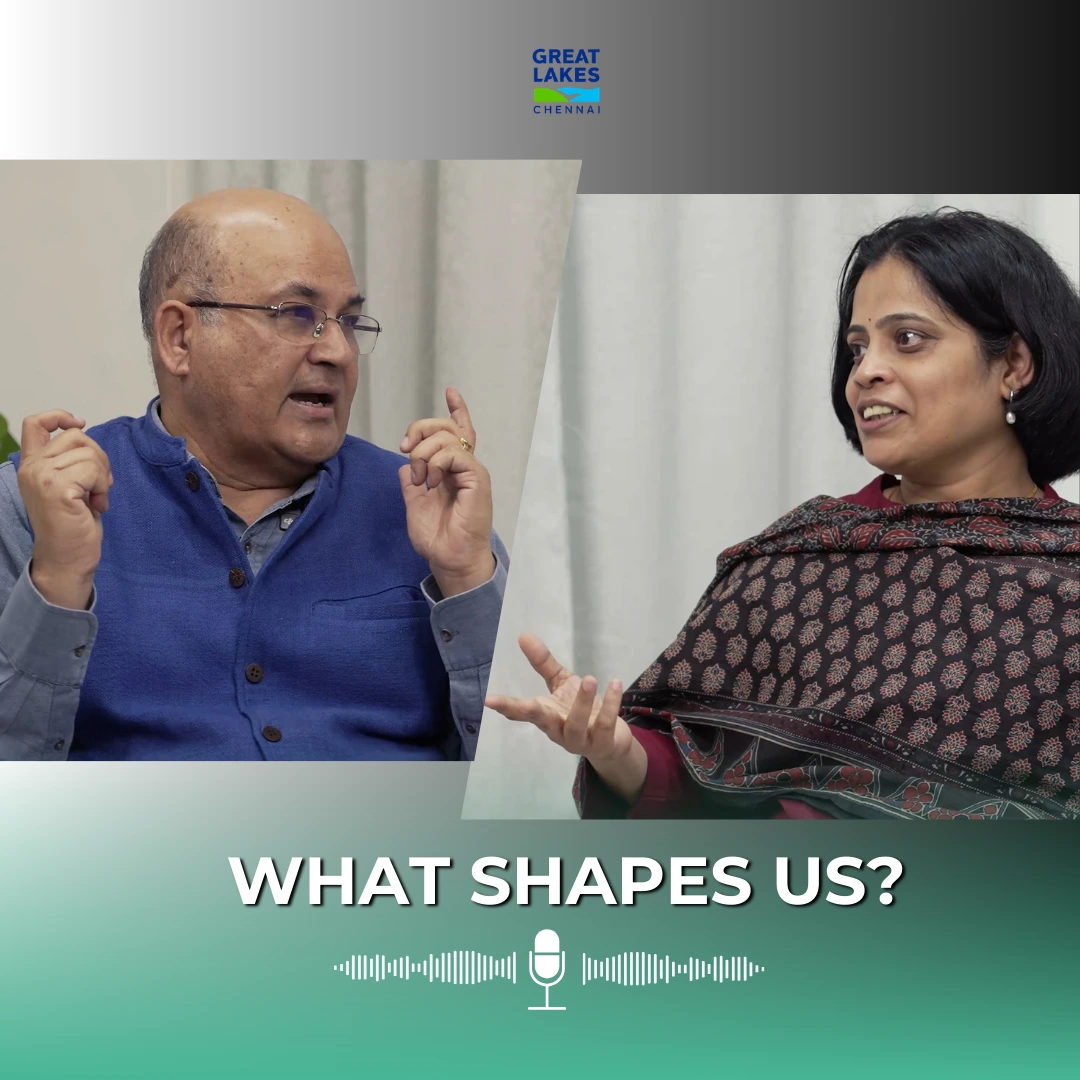
Episode 4: In Talks with Prof. Rishikesha T Krishnan
At Indian Institute of Management Bangalore, Rishikesha T Krishnan has shaped both strategy and innovation. Drawing from From Jugaad to Systematic Innovation and 8 Steps to Innovation: Going from Jugaad to Excellence, he reflects on what truly drives progress. In this episode, he explores which forces shape entrepreneurs and academics. And why institutions must evolve to create real equality of opportunity.

Episode 5: In Talks with Prof. Madhu Viswanathan
What if marketing began with people living under scarcity? In this episode, Madhubalan Viswanathan explains why he built the idea of Subsistence Marketplace. He unpacks the real constraints low income entrepreneurs face. And what it takes to turn intent into meaningful opportunity.

Episode 6: In Talks with Sajith Pai
Sajith Pai is a Partner at Blume Ventures, one of India's leading homegrown early-stage VC firms, and the driving force behind the widely read Indus Valley Annual Report. Before joining the VC landscape, he spent nearly two decades at the Times of India group. In conversation with Vidya, he unpacks how the birth lottery impacts life outcomes, his view of India’s start-up economy, the pull of clusters, and much more.

Episode 7: In Talks with Gangapriya Chakraverti
Gangapriya Chakraverti, Managing Director and India Site Head at Ford Motor Company, leads a 12,000-plus workforce at Ford Business Solutions, the Global Capabilities Centre in Chennai that supports Ford's worldwide operations. In a wide-ranging conversation, she speaks about her childhood and formative years, her work experience with three entirely different organisations, her views on inclusive workplaces, the roles of a mentor and a coach, and much more

Episode 8: In Talks with Gauri Mudkavi Kulkarni
Gauri Mudkavi-Kulkarni is Vice President, Information Technology at Renault, the global automotive group, based in Paris. A Chartered Accountant by training who pivoted into global IT leadership, she has lived and worked in Mumbai, Shanghai, Singapore, Jakarta, Paris, and London throughout her 25+ year career. In conversation with Vidya, she revisits her Marathi-medium upbringing, her father's unconventional investments in her, the door-to-door job hunt that landed her a job in Shanghai, what she believes capable women still underplay at work and much more.

Episode 9: In Talks with Divyanshu Ganatra
Divyanshu Ganatra, Founder of Adventures Beyond Barriers Foundation (ABBF) and India's first blind solo paraglider, is a clinical psychologist and disability inclusion advocate who brings people with and without disabilities together through adaptive adventure sports. In a wide-ranging conversation, he speaks about his childhood and formative years, losing his eyesight at nineteen, building ABBF, his views on inclusion and the attitudinal barriers that disable more than disabilities themselves, and much more.
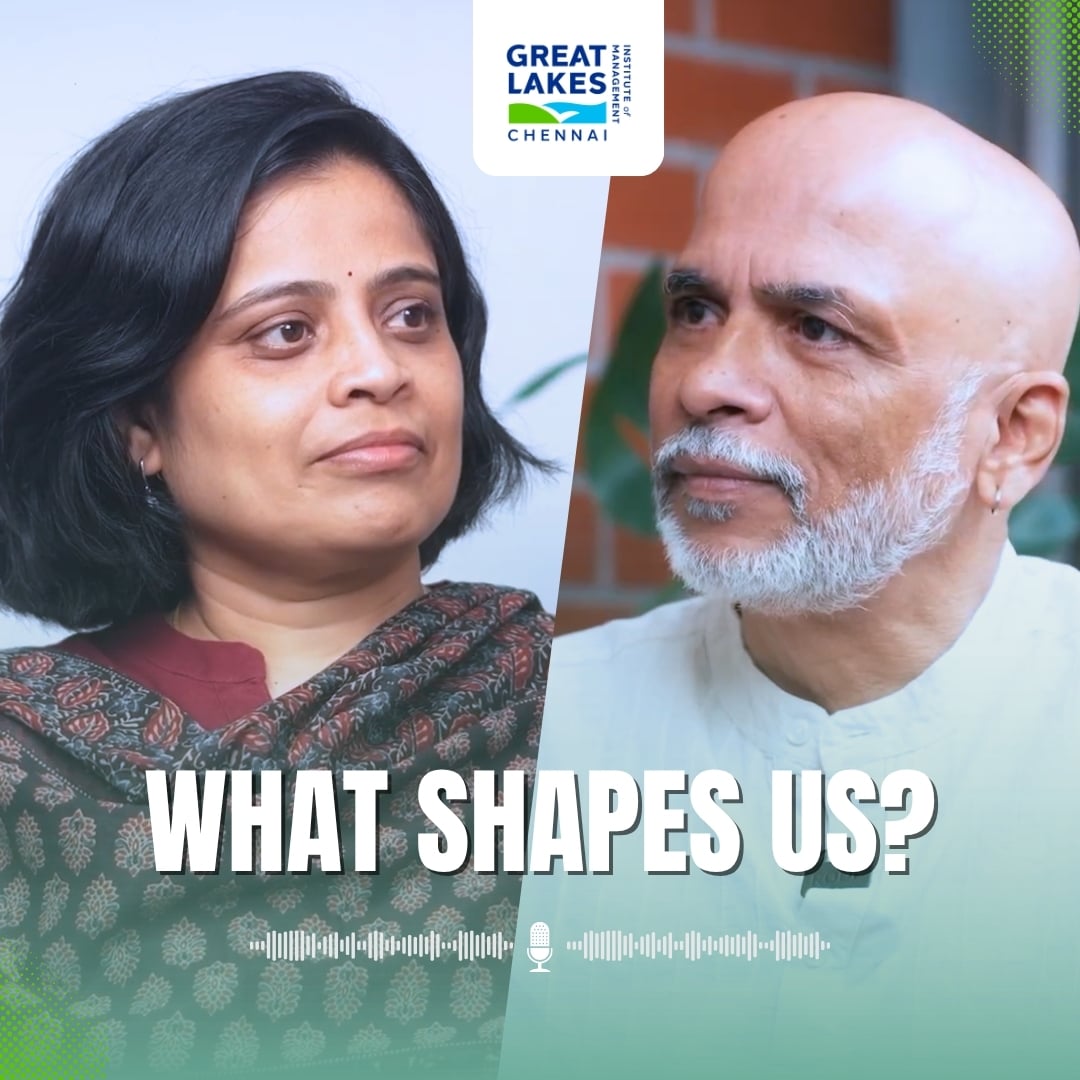
Episode 10: In talks with Makarand Sahasrabuddhe
IIT Bombay, IIM Ahmedabad, and then the road less travelled. Makarand Sahasrabuddhe -development professional, coach, facilitator, and self-described flâneur - joins Vidya to trace thirty years in India’s development sector and thirteen years at Oxfam working across Afghanistan, South Asia, the Horn of Africa, and a global role. From a Mumbai childhood with books for company and a mother who returned to her education after a twelve-year gap, to opting out of IIM-A placements as the only one in his batch - a conversation about the strength of diversity, the entitlements we forget we acknowledge and a lot more.

Episode 11: In talks with Dr Raghunath Anant Mashelkar
Dr Raghunath Mashelkar is a Padma Vibhushan awardee, a Fellow of the Royal Society, a former Director General of CSIR, and a pioneer of the Inclusive Innovation and Gandhian Engineering movements in India. In this final episode of the series ‘What Shapes Us’, he traces a journey from a one-room tenement in Mumbai - studying under streetlights, walking barefoot until he was twelve - to the leadership of forty national laboratories, and reflects on what he calls access equality despite income inequality: the work of making world-class science affordable for those who need it most.